Smartphone Camera Hardware Explained: Why Megapixel Count Isn’t the Full Story
Sensor size, pixel binning, stacked CMOS architecture, and computational imaging determine image quality more than the resolution number on the spec sheet.
Explore semiconductor engineering, advanced packaging, AI processors, chiplets, heterogeneous integration, memory architectures, semiconductor materials, power efficiency, thermal constraints, and the technologies shaping next-generation computing hardware.
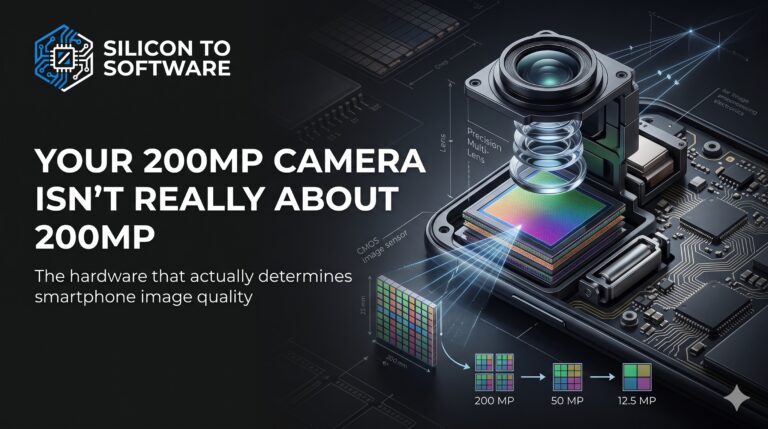
Sensor size, pixel binning, stacked CMOS architecture, and computational imaging determine image quality more than the resolution number on the spec sheet.
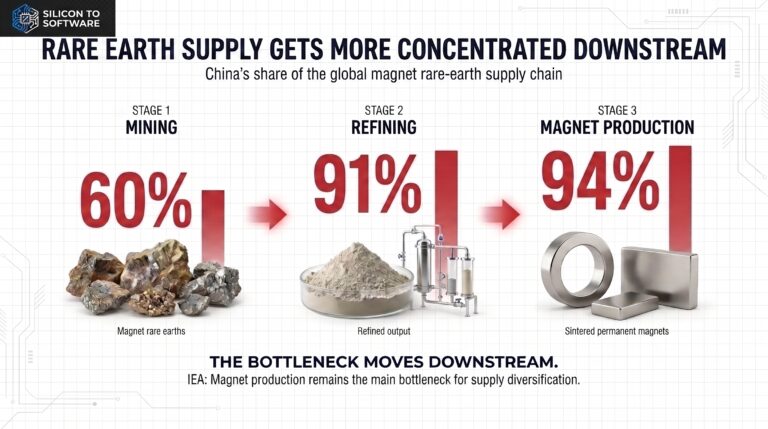
EV motors, wind turbines, robots, and electronics all depend on high-performance permanent magnets — and the largest diversification gap sits downstream, in refining, metallization, and magnet manufacturing, not at the mine.
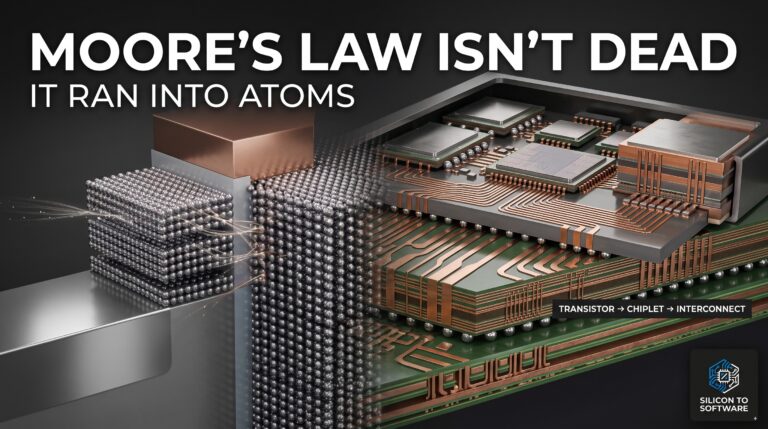
As lithography approaches atomic-scale limits, chiplets, substrates, and low-loss laminates have become the real engineering battleground for the next generation of performance gains.
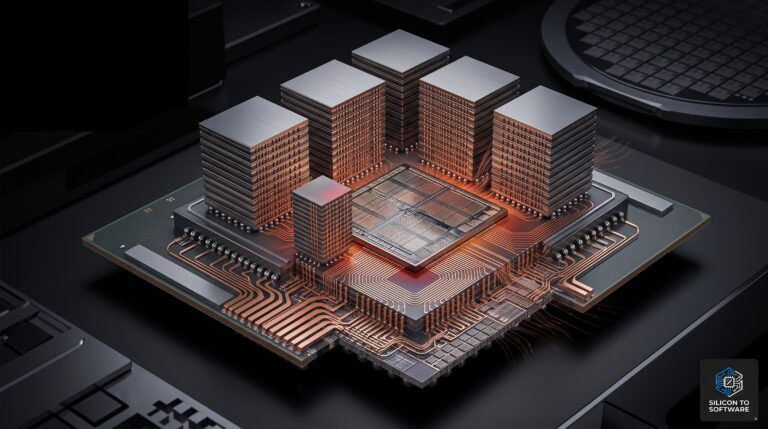
HBM4 delivers on its bandwidth promise — but the real HBM4 packaging bottleneck lies in interconnect density, thermal design, and power delivery, which now determine how many AI accelerators can actually be built.
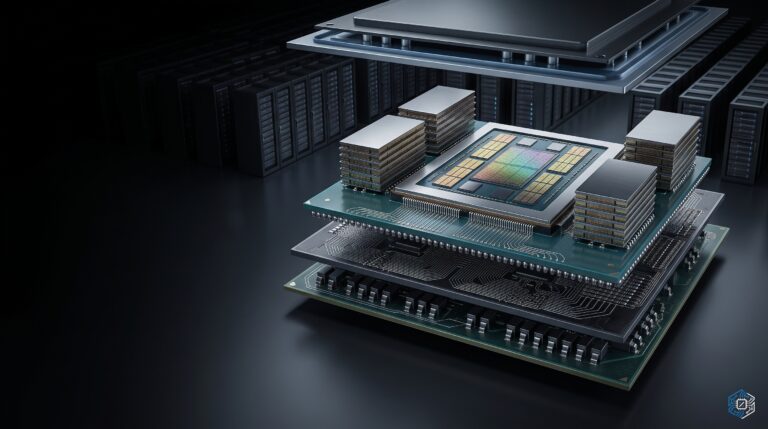
Google’s TPU, Amazon’s Trainium, and Microsoft’s Maia trade GPU flexibility for efficiency — but AI chip packaging capacity and power delivery, not chip design, decide how fast they scale.
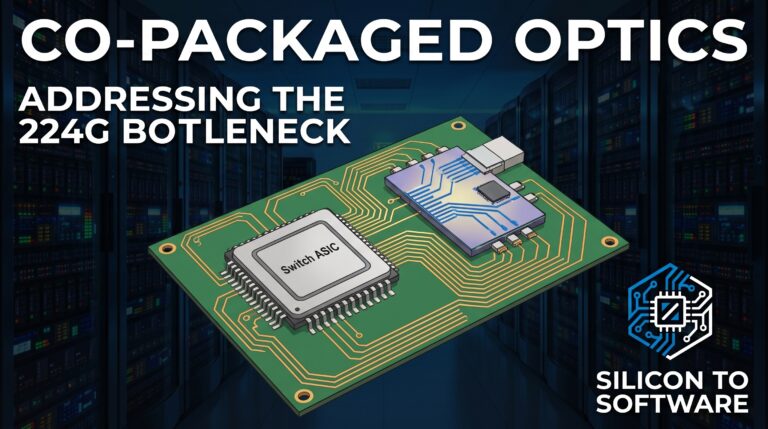
As SerDes rates push past 224G, copper’s insertion loss budget is nearly gone — and co-packaged optics packaging is one of the most underappreciated barriers to the optical interconnect shift, though not the only one. Co-packaged optics is the architecture the AI networking industry is counting on to solve a bandwidth wall that’s already here….
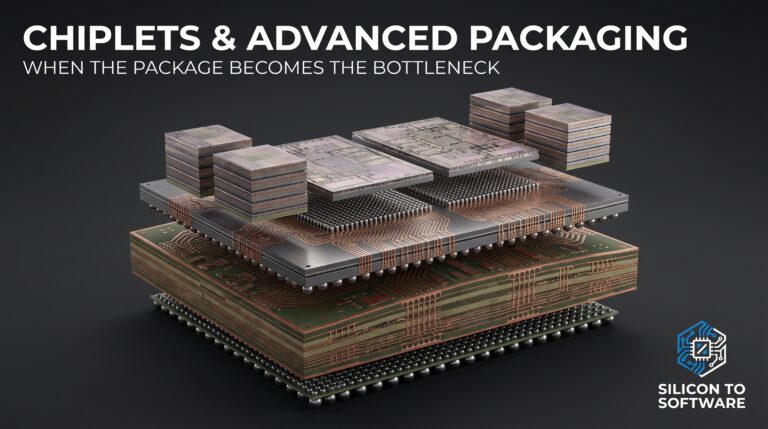
A hardware-industry look at the CTE mismatch, yield economics, and capacity constraints that decide whether a next-generation chip package actually ships.
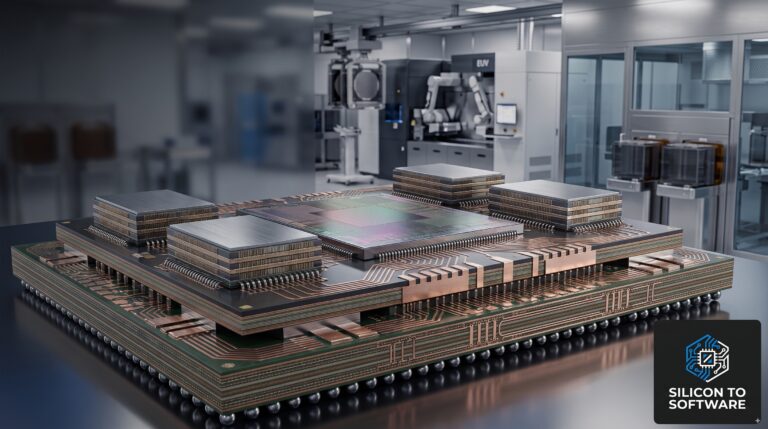
For today’s leading AI accelerators, wafer fab capacity is only one constraint — CoWoS advanced packaging and IC substrate qualification cycles can set an equally binding, and at times more immediate, ceiling on output.
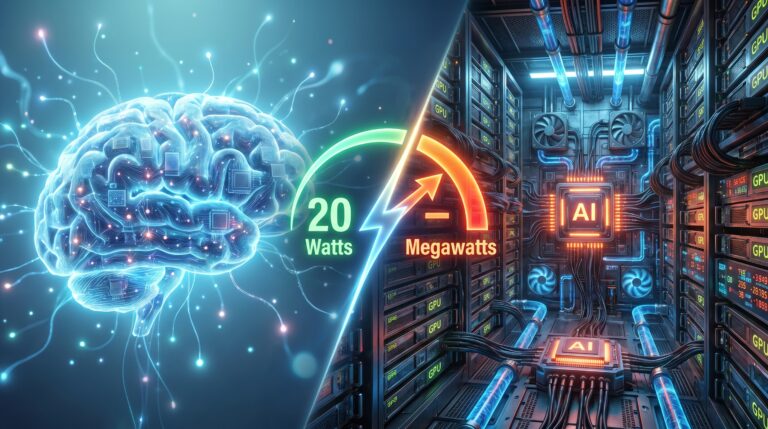
As AI models grow larger and data centers consume unprecedented amounts of electricity, neuromorphic computing and brain-inspired processors are emerging as one promising piece of the industry’s response to its looming energy crisis — not a silver bullet, but a real lead worth following.
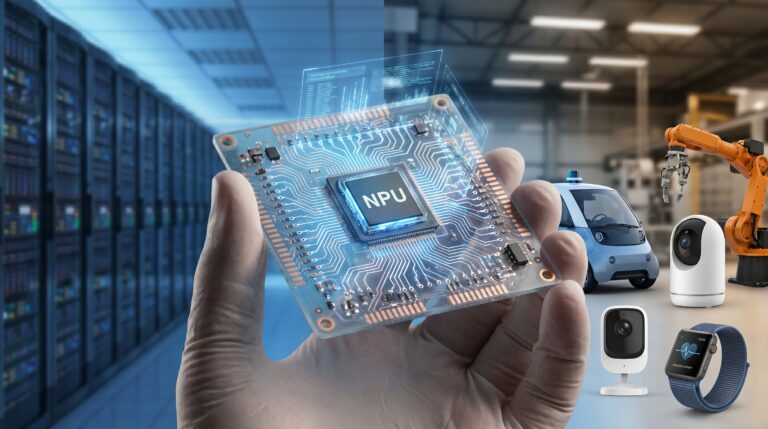
Edge AI chips are pulling artificial intelligence out of distant data centers and into the devices around you — compact processors, edge computing hardware, TinyML microcontrollers, and next-generation circuit boards making real-time intelligence possible anywhere.