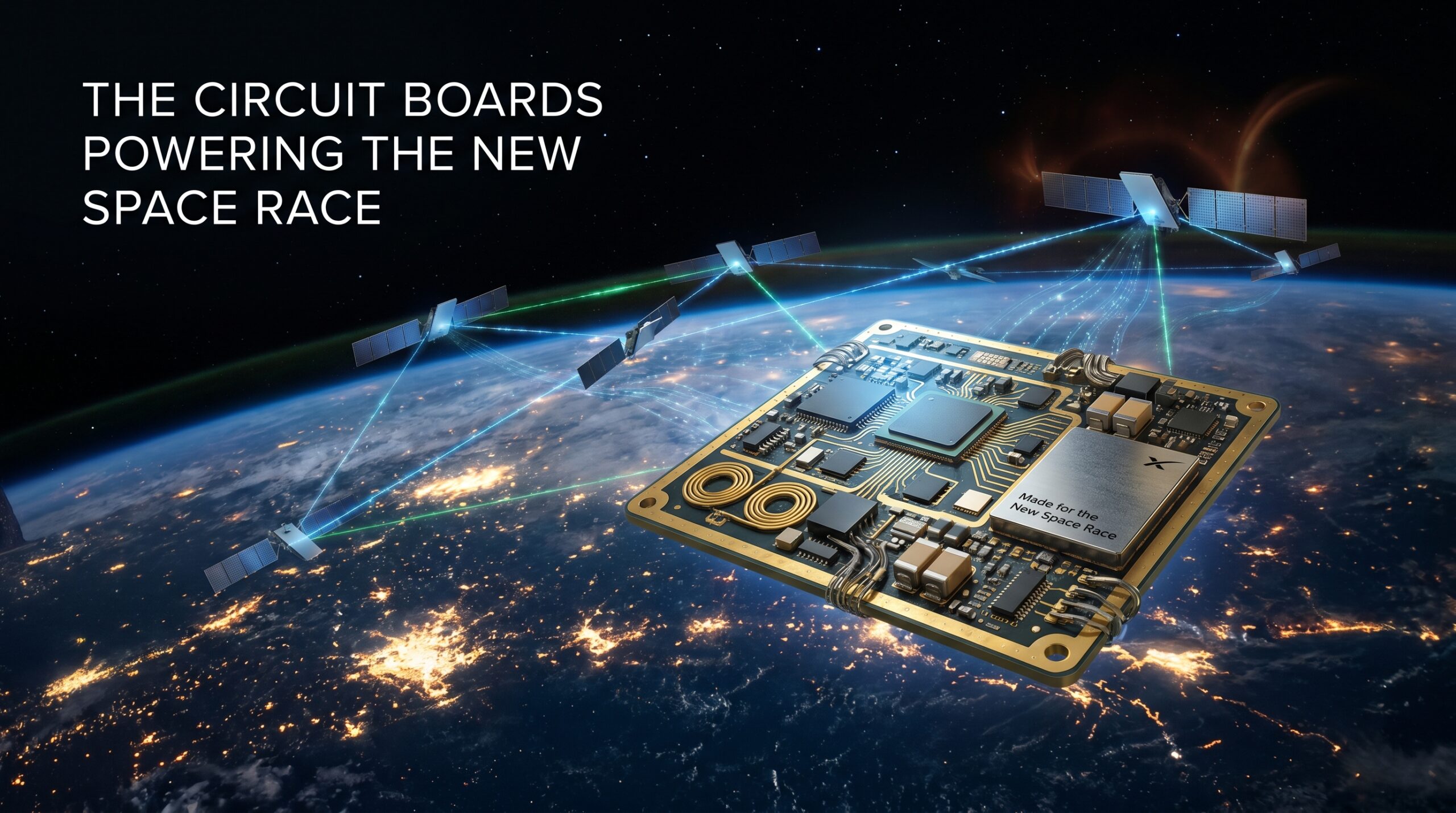
Space is one of the most demanding environments ever engineered for electronics. Satellites, spacecraft, communications systems, and orbital platforms must operate through radiation, extreme temperature cycles, vacuum conditions, vibration, and years of operation where physical repair may be impossible.
This resource hub explores the electronics and hardware engineering behind modern space systems, including radiation effects, satellite electronics, PCB reliability, thermal management, component selection, fault tolerance, orbital manufacturing, and the technologies enabling a rapidly expanding space economy.
These resources are written for hardware engineers, PCB engineers, aerospace professionals, electronics engineers, reliability engineers, technical leaders, and anyone interested in understanding the physical hardware required to make electronic systems survive and operate beyond Earth.
Table of Contents
Space Electronics & Aerospace Resources
Topics Covered
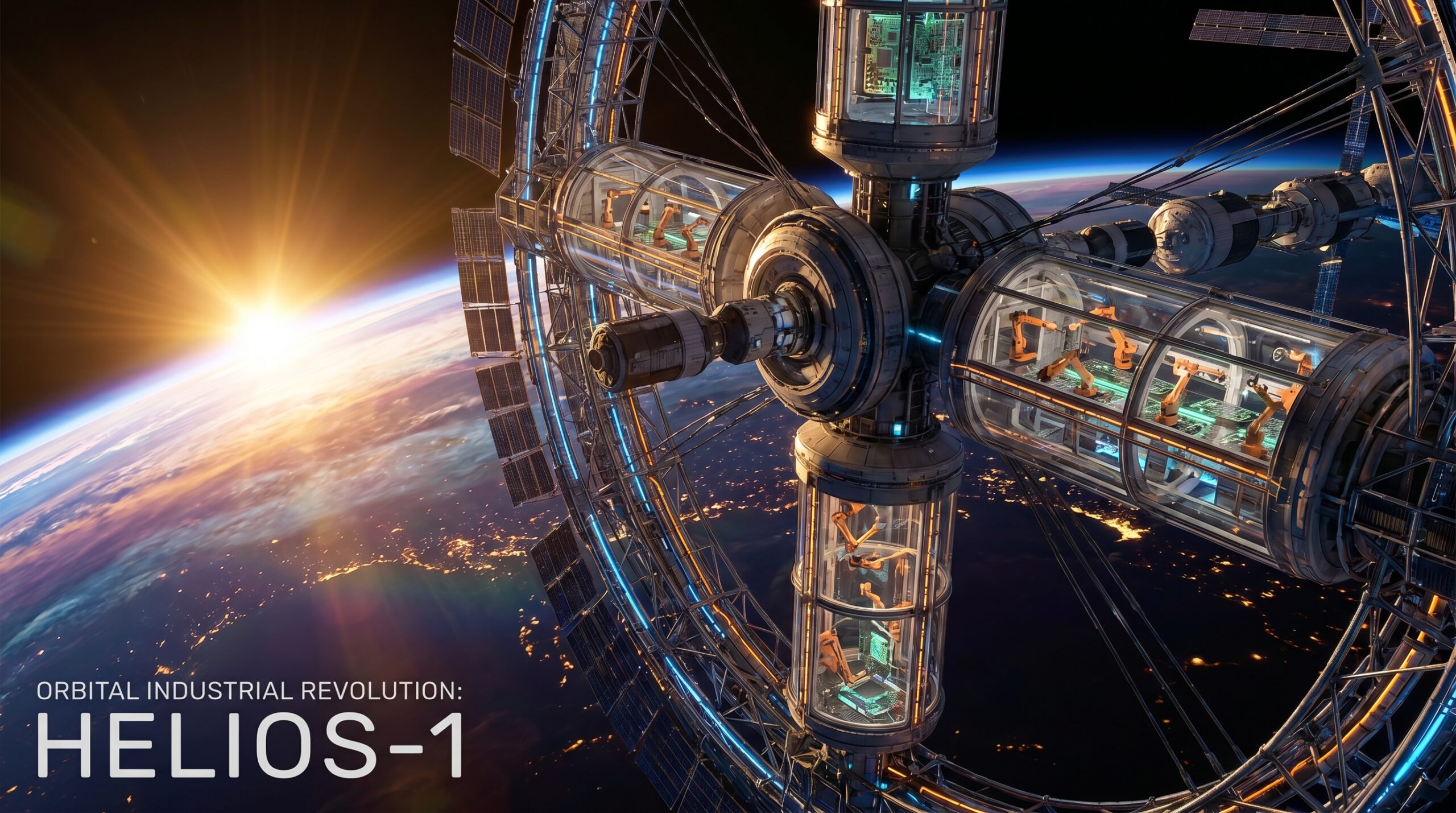
Explore satellite electronics, space-grade PCB design, radiation effects, single-event effects, component reliability, fault tolerance, thermal management, materials, spacecraft hardware, orbital manufacturing, electronics qualification, environmental testing, and the engineering challenges involved in building reliable electronic systems for space.
Why Space Electronics & Aerospace Matter
Electronics designed for Earth operate in comparatively forgiving environments. Once hardware enters space, radiation can corrupt memory and damage semiconductor devices, extreme thermal cycling can stress materials and interconnects, vacuum changes thermal behavior, and launch vibration places significant mechanical loads on electronic assemblies.
As satellites, communications networks, autonomous spacecraft, orbital infrastructure, and commercial space systems become more sophisticated, electronics reliability becomes increasingly critical. Understanding radiation tolerance, component selection, PCB construction, thermal design, redundancy, testing, and failure mechanisms is essential for building hardware capable of surviving launch and continuing to operate reliably in orbit.
Explore More Engineering Resources
Continue exploring PCB design, semiconductor engineering, embedded systems, AI hardware, electronics manufacturing, automotive electronics, and the other physical technologies behind modern computing and electronic systems.
Browse all Silicon to Software articles → https://www.silicontosoftware.com/articles/