Battery Storage for AI Data Centers: 3 Critical Risks in the Power Path
Battery storage for AI data centers now smooths millisecond GPU power swings and grid faults. How capacitors, rack BBUs, and BESS fail, and what to specify.
Explore AI hardware, processors, data center infrastructure, power, cooling, edge computing, and the engineering behind modern artificial intelligence.
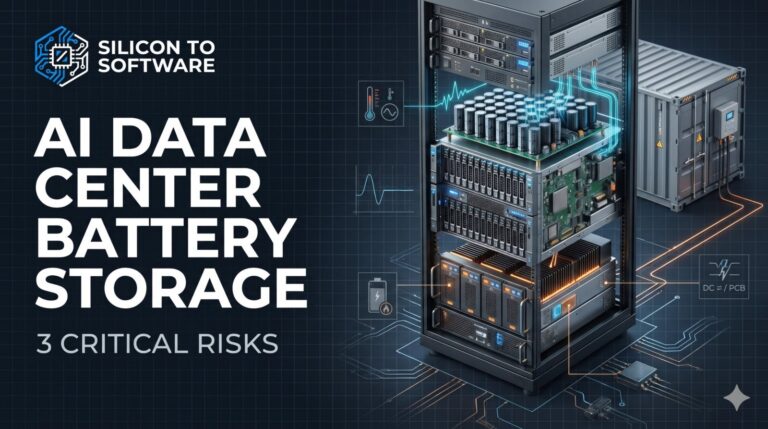
Battery storage for AI data centers now smooths millisecond GPU power swings and grid faults. How capacitors, rack BBUs, and BESS fail, and what to specify.
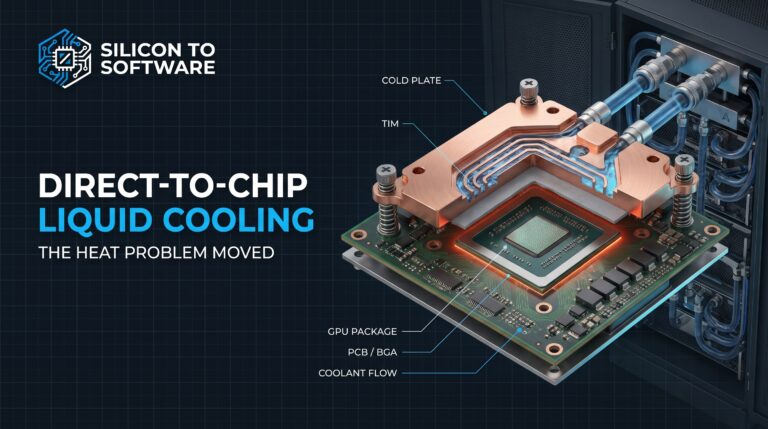
How cold plates, clamp loads, coolant chemistry, and quick disconnects became the real engineering constraints inside 130 kW AI racks. In late 2024, Reuters and others, citing The Information, reported that Blackwell GPUs were overheating in 72-processor servers and that NVIDIA had made multiple revisions to its rack designs. Months later, the Financial Times reported…
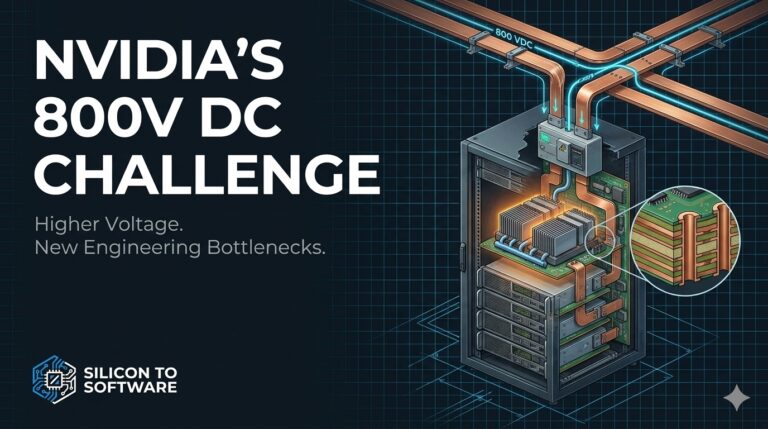
Higher voltage reduces the current burden of megawatt AI racks, but shifts critical design challenges into converters, busways, protection systems, and manufacturing.
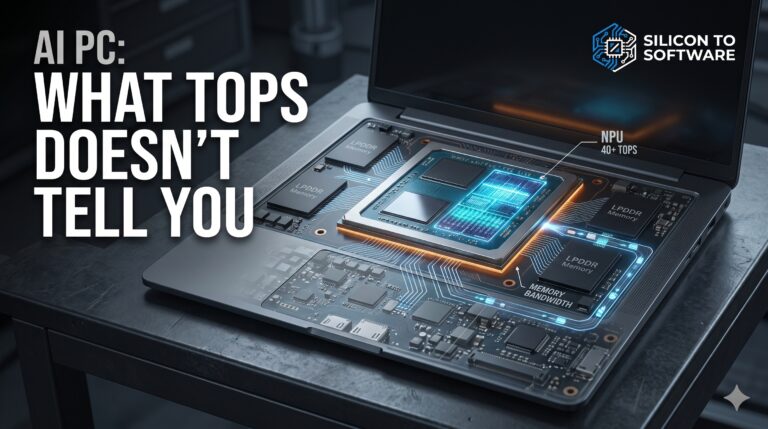
Across flagship AI laptops in 2026, TOPS has become the headline number attached to the NPU. Here’s what that number measures, what Microsoft’s Copilot+ certification actually requires, and where the memory bandwidth feeding the NPU — not the compute rating on the box — is the real constraint on performance.
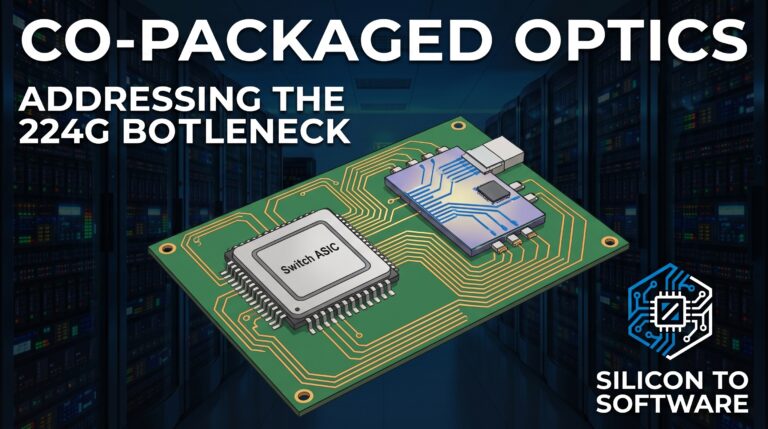
As SerDes rates push past 224G, copper’s insertion loss budget is nearly gone — and co-packaged optics packaging is one of the most underappreciated barriers to the optical interconnect shift, though not the only one. Co-packaged optics is the architecture the AI networking industry is counting on to solve a bandwidth wall that’s already here….
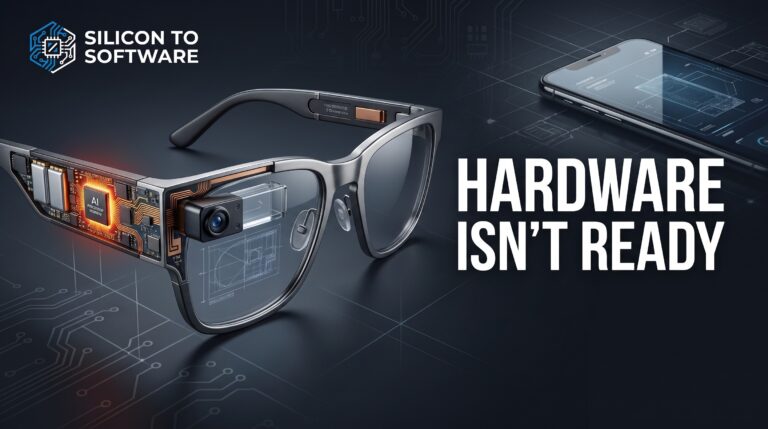
Tiny batteries, optical waveguides, AI processors, thermal limits, antennas, cameras, sensors, and advanced semiconductor packaging remain the biggest engineering barriers to replacing today’s smartphone.
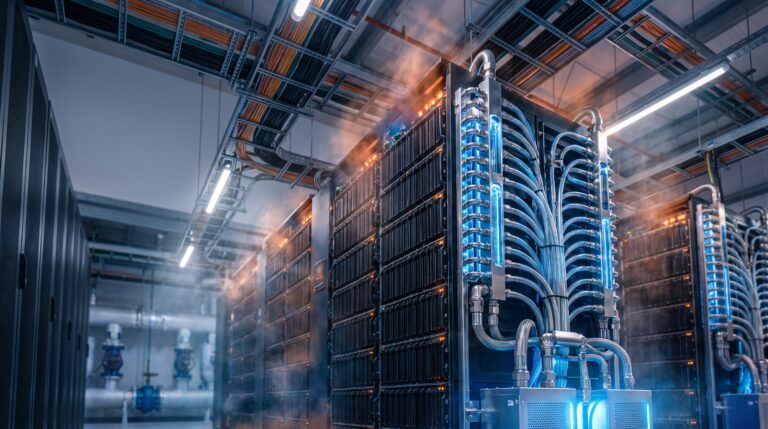
As AI GPUs become faster and more power-hungry, the biggest challenge is no longer compute — it’s cooling. Here’s why liquid cooling, thermal management, and next-generation data center design are becoming essential for the future of artificial intelligence.
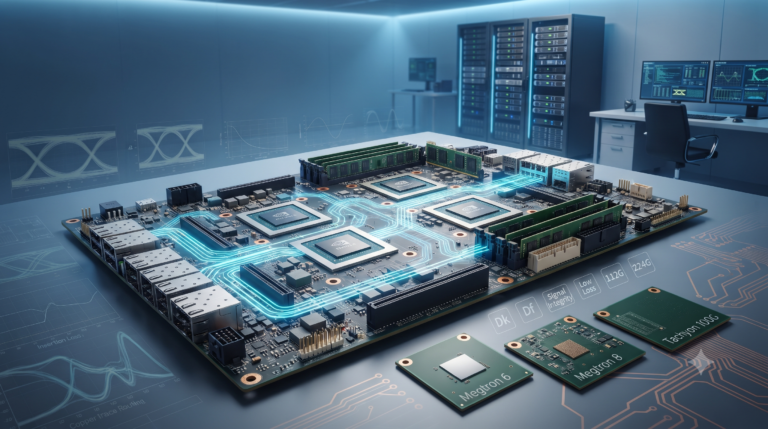
As AI servers, GPUs, and 112G/224G networking push PCB signal integrity to its limits, selecting the right laminate is no longer optional. Here’s how Megtron 6, Megtron 8, and Tachyon 100G compare in dielectric loss, manufacturability, cost, and real-world AI hardware performance.
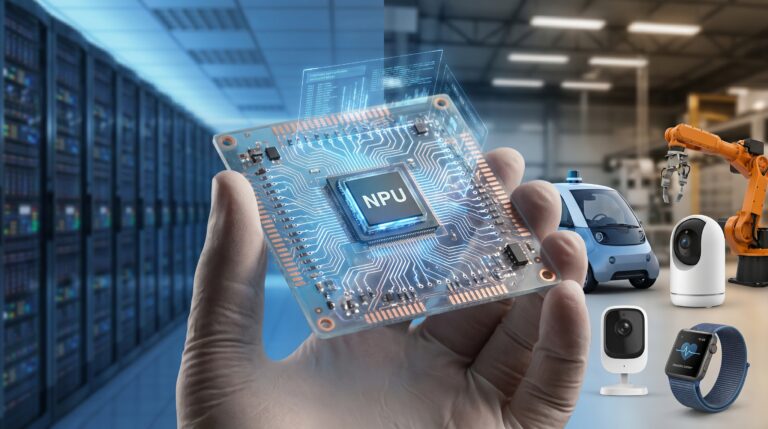
Edge AI chips are pulling artificial intelligence out of distant data centers and into the devices around you — compact processors, edge computing hardware, TinyML microcontrollers, and next-generation circuit boards making real-time intelligence possible anywhere.
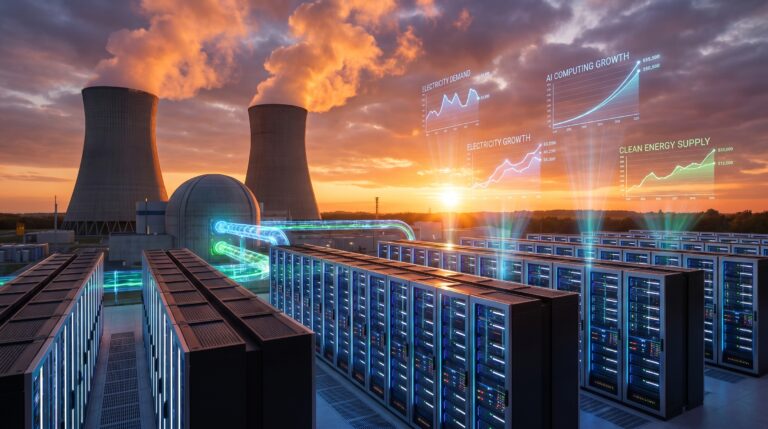
The explosive growth of AI data centers is driving a surge in electricity demand, reviving interest in nuclear power as a reliable, low-carbon energy source for the AI era.