An embedded system is a computer built into something that has a particular job. It might measure a heartbeat, control a motor, authenticate a user, or supervise an industrial process. Its success is measured by how reliably it performs that job within constraints, not by whether its processor looks impressive on a specification sheet.
This hub follows the complete path from a physical signal to a useful action. It is for hardware and firmware engineers broadening their perspective, product teams weighing design options, and curious readers who want to understand everyday devices. The same basic questions recur across medical products, factory equipment, consumer electronics, and connected infrastructure, even when the consequences of failure differ substantially.
Start with the signal, not the processor
Sensors do not usually hand software a perfect account of the world. Signals may be weak, noisy, temperature-sensitive, or affected by movement. Analog circuits, sampling choices, calibration, filtering, and mechanical placement influence what the system can measure. Software cannot recover information that the hardware never captured reliably.
For any sensing product, ask what physical quantity is being detected and what else can influence that measurement. Optical heart-rate sensing, for example, involves light paths and contact conditions as well as computation. Knowing the measurement mechanism makes limitations easier to understand.
Timing and resources shape the architecture
Embedded products work within finite memory, processing, power, and response-time budgets. Some tasks must meet deadlines; others can wait. A system that produces a correct answer too late may still fail its intended purpose. Selecting a processor therefore involves scheduling and software support as well as raw speed.
Local AI adds another set of constraints. Model size, numerical precision, sensor input rates, and update methods affect the hardware choice. Running a model on a device can reduce dependence on a network, but it does not eliminate the need to manage errors, maintain software, or protect stored data.
Power, connectivity, and mechanics interact
Wireless communication, processing, sensing, and charging compete for an energy budget. A low-power chip does not guarantee a low-power product if radios stay awake unnecessarily or conversion losses are poorly controlled. Battery behavior and heat dissipation also change with enclosure design and operating conditions.
Interfaces need equal care. A familiar connector does not promise a particular charging speed or data capability. Cables, negotiated power profiles, board routing, protection circuits, and supported protocols determine what the complete connection can do. Good explanations identify the whole path instead of blaming one component.
Plan for faults and the product lifetime
A prototype can prove that an idea works without proving that the product will survive field use. Temperature changes, vibration, contamination, electrical disturbances, and component variation can expose weaknesses missed by a short bench test. Manufacturing consistency matters alongside the nominal design.
Security also extends beyond initial deployment. Boot integrity, authenticated updates, key handling, debug access, and recovery behavior determine how a product can be maintained. Before selecting a connected architecture, ask how long support is needed and what happens if its network or cloud service is unavailable.
Start here: a curated reading path
- Follow a complete sensing chain — Begin with an everyday measurement and trace how optical components and analog electronics turn a physical effect into a useful signal.
- Understand an interface beyond its connector — Use USB-C to separate mechanical compatibility from power negotiation, data capability, and the constraints of cables and boards.
- Move from the bench to the field — Read this when thinking about environmental stress, test coverage, and why a passing prototype is only one stage of development.
- Place computation deliberately — Explore the reasons to process data locally while keeping device resources and system responsibilities in view.
- Consider long-lived security — Use the security discussion to think about updateability and resource limits in products expected to remain deployed for years.
Put the ideas to work
Pick a device you use and draw five boxes: sensor, signal conditioning, processor, communication, and power. Identify which boxes you understand and which are assumptions. Then ask how the device detects an invalid measurement or recovers after losing power.
Frequently asked questions
Is every embedded system connected to the internet?
No. Many perform local control or measurement without internet access. Connectivity is an architectural choice, not a requirement of embedded computing.
What is the difference between firmware and hardware?
Hardware is the physical circuitry. Firmware is software closely tied to operating that circuitry. Product behavior usually depends on both.
Can AI replace careful sensor design?
AI can help interpret signals, but sensor quality, placement, calibration, and failure behavior still bound what the system can know.
Table of Contents
Embedded Systems Resources
-
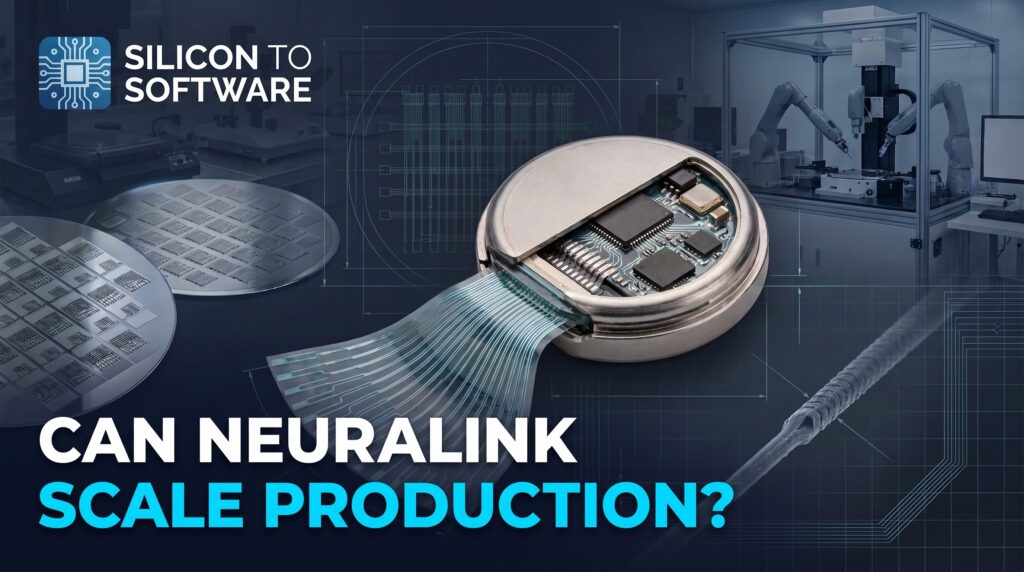
Neuralink Wants to Mass-Produce Brain Implants. Here’s the Engineering Challenge.
-

How Face ID and Fingerprint Sensors Actually Work
-

How LEDs, photodiodes, and analog electronics turn reflected light into a heartbeat, and where the measurement breaks.
-
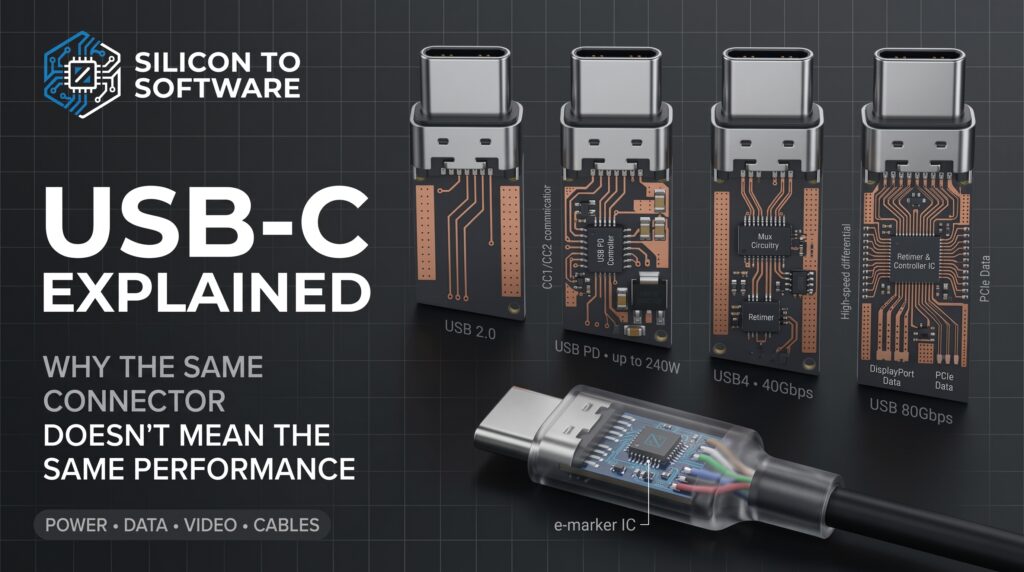
USB-C Explained: Why the Same Connector Delivers Different Charging Speeds and Data Rates
-
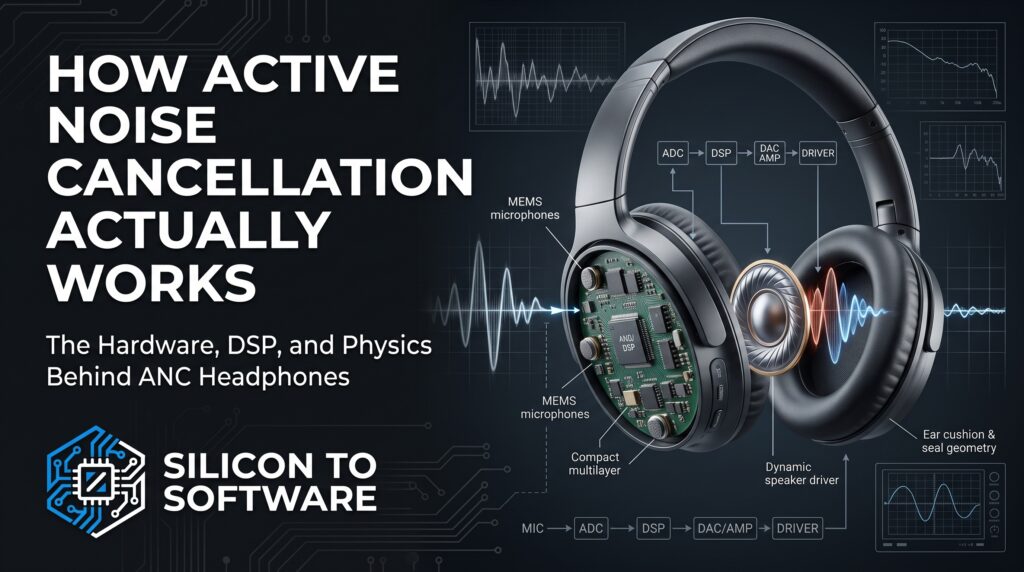
How Active Noise Cancellation Actually Works: The Hardware, DSP, and Physics Behind ANC Headphones
-
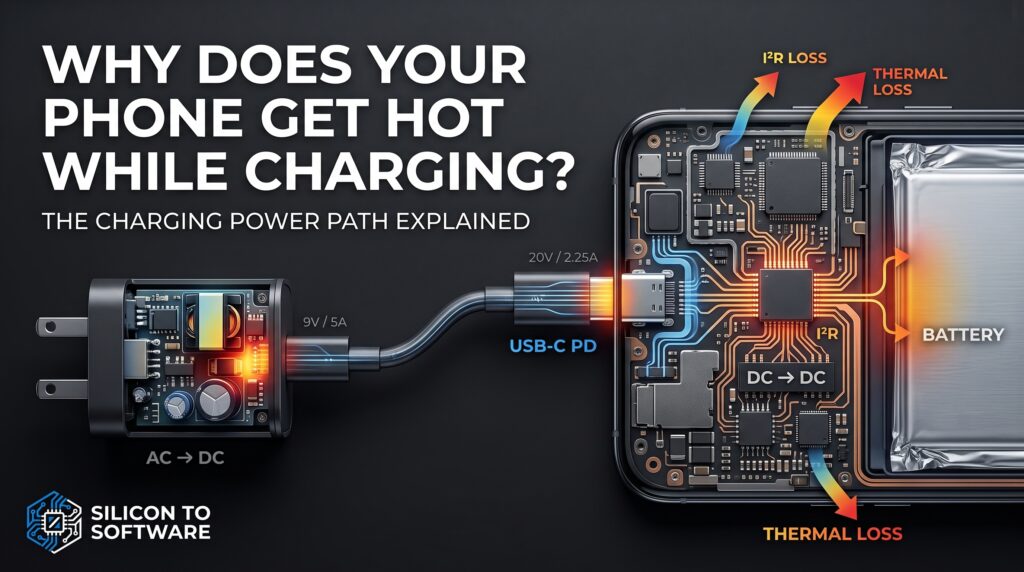
Why Does Your Phone Get Hot While Charging? The Charging Power Path Explained
-
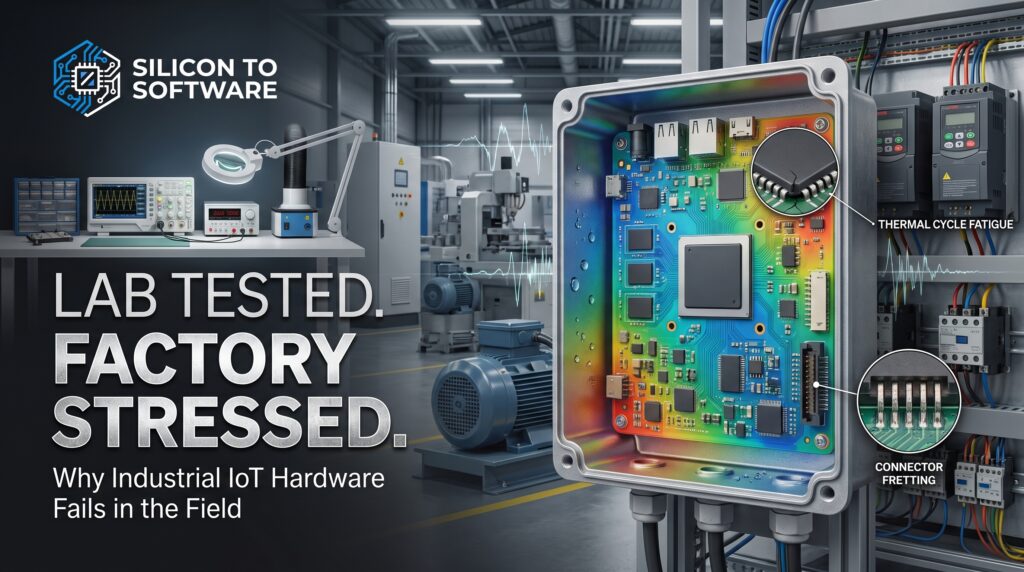
Industrial IoT Hardware Reliability: Why Boards That Pass Lab Testing Still Fail on the Factory Floor
-

Autonomous Cargo Ships: How AI, Embedded Systems, and Sensors Could Transform Global Shipping
-

Smart Glasses Could Replace Smartphones — But the Hardware Isn’t Ready Yet
-
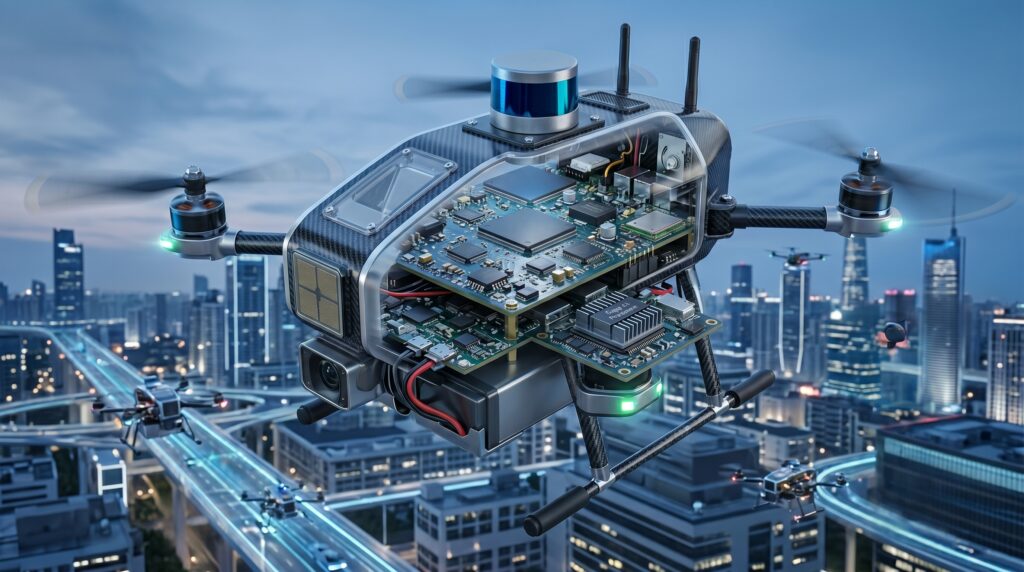
Delivery Drone Safety Hardware: 6 Critical Systems Preventing Mid-Air Failures, Crashes, and Injuries