Silicon Carbide EV Charging Explained: The Power Semiconductor Behind 5-Minute Fast Charging
Why SiC power chips helped unlock 1,000V-class EV architectures — and why the battery still determines whether megawatt charging is usable.

Explore automotive electronics and EV systems covering autonomous-driving hardware, vehicle cybersecurity, battery technology, automotive PCBs, embedded systems, sensors, reliability, and connected vehicles.
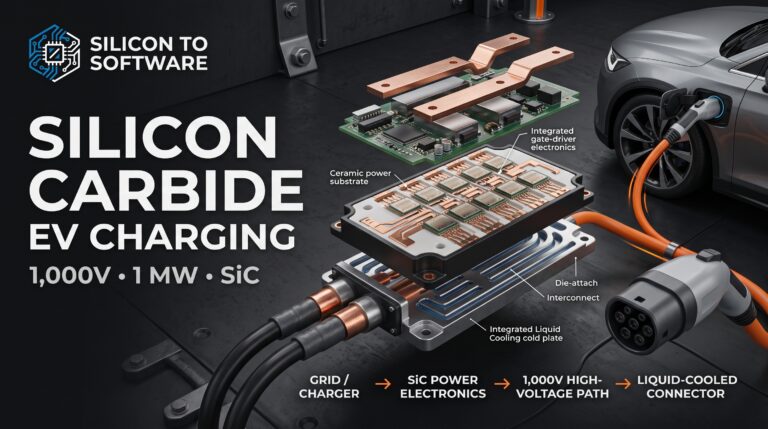
Why SiC power chips helped unlock 1,000V-class EV architectures — and why the battery still determines whether megawatt charging is usable.
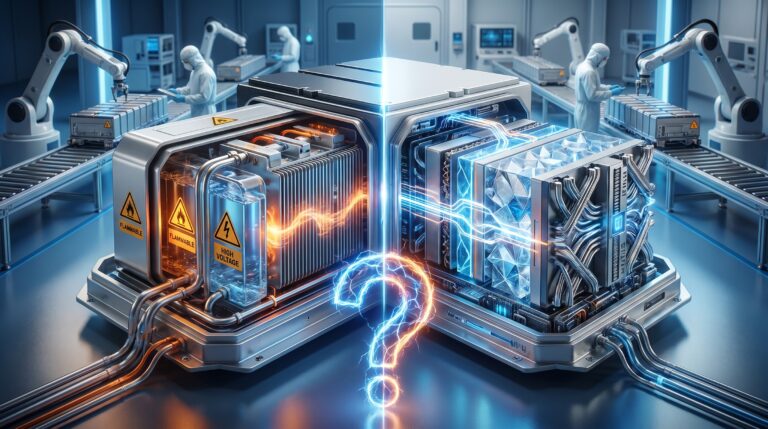
Discover how solid-state batteries promise higher energy density, faster charging, longer lifespan, and improved safety — and why manufacturing complexity, material limitations, and scaling challenges continue to delay mass-market adoption.
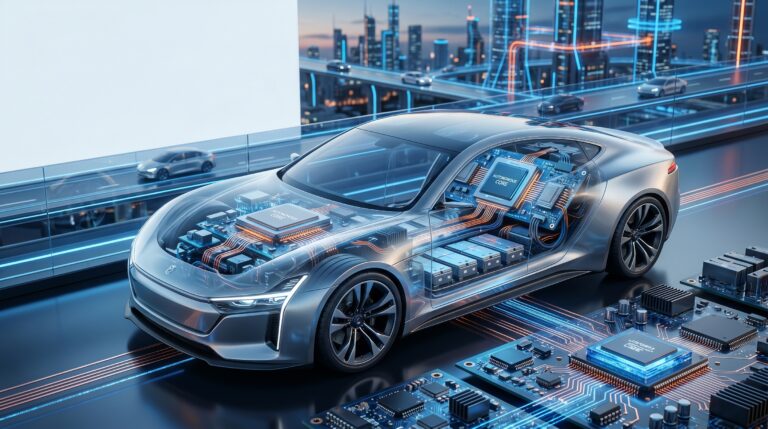
From Tesla Full Self-Driving chips to Waymo’s advanced sensor stack, today’s vehicles are becoming AI-powered computers on wheels — driven by high-performance PCB engineering, automotive electronics, and next-generation autonomous systems.
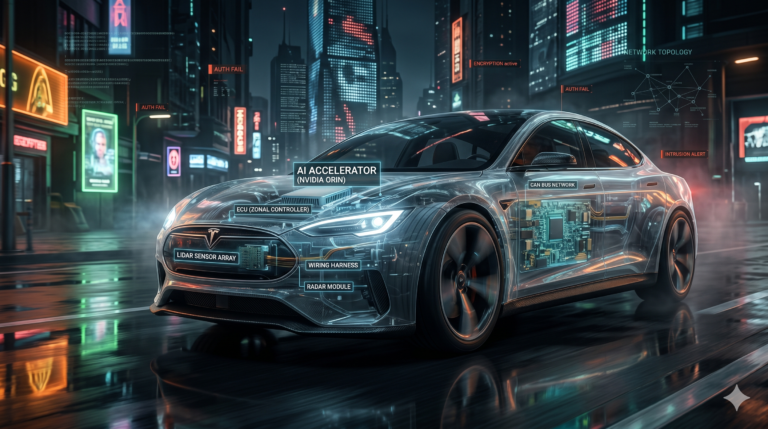
Self-driving car hardware security risks hide in ECUs, CAN bus, lidar sensors, and automotive AI systems. A PCB industry insider explains.
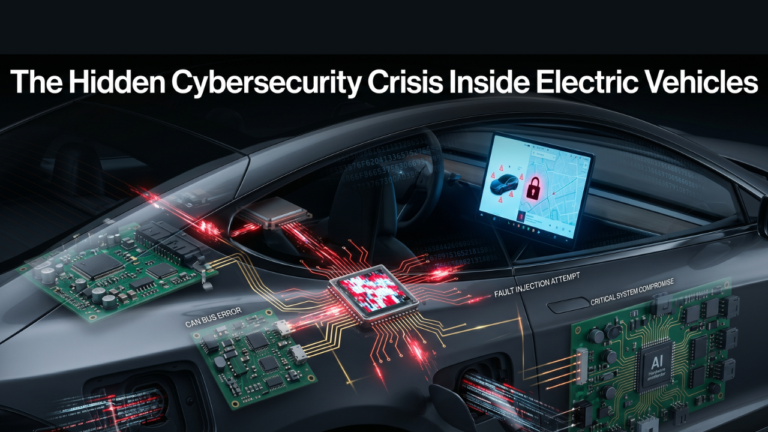
It’s not just a Tesla problem. It’s a hardware problem — ECUs, CAN bus networks, charging interfaces, and the cybersecurity challenges built into the complex electronic architectures of modern electric vehicles.