How LEDs, photodiodes, and analog electronics turn reflected light into a heartbeat, and where the measurement breaks.
How LEDs, photodiodes, and analog electronics turn reflected light into a heartbeat, and where the measurement breaks.
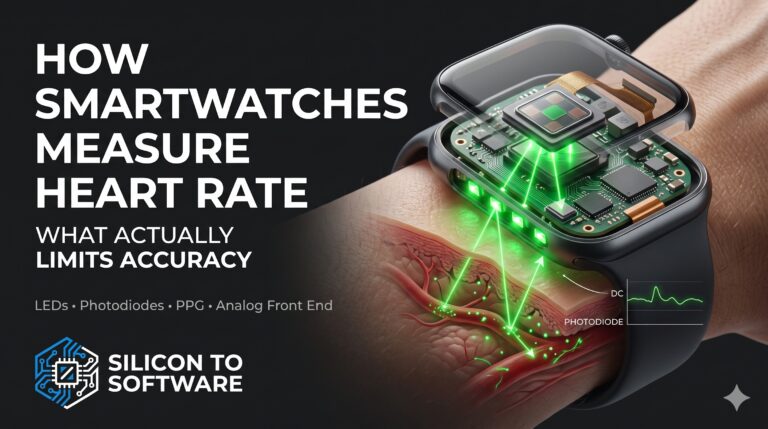
How LEDs, photodiodes, and analog electronics turn reflected light into a heartbeat, and where the measurement breaks.
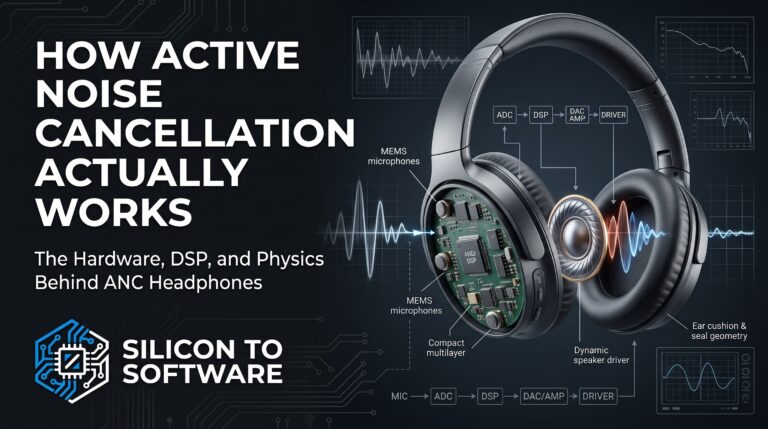
Inside the microphone-to-driver signal path, the destructive-interference mechanism, and the latency wall that keeps active noise cancellation from ever reaching perfect silence.

Autonomous vessels rely on far more than artificial intelligence. They require radar, LiDAR, machine vision, edge computing, satellite communications, cybersecurity, and redundant control systems to safely navigate the world’s busiest shipping lanes.
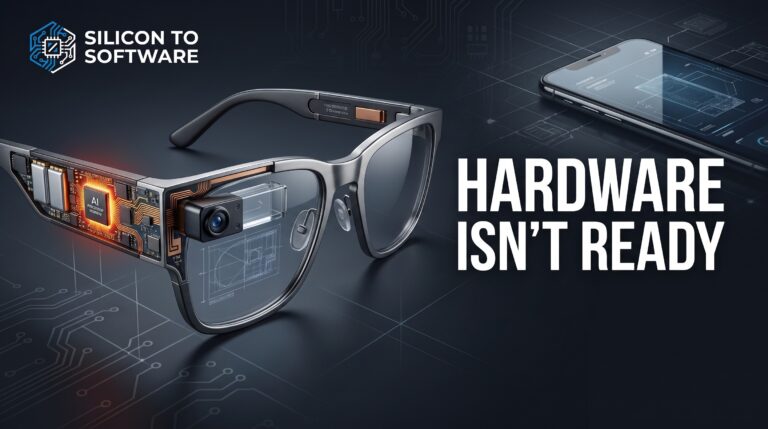
Tiny batteries, optical waveguides, AI processors, thermal limits, antennas, cameras, sensors, and advanced semiconductor packaging remain the biggest engineering barriers to replacing today’s smartphone.
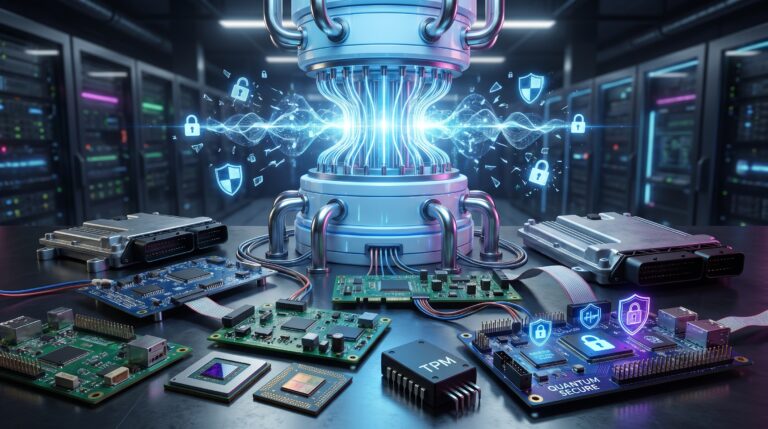
The chip in your car, your hospital’s infusion pump, your building’s security panel — may not be upgradeable. For much of the deployed hardware, the path ends in physical replacement. Here’s the board-level reality nobody’s published yet.