Artificial intelligence may be driven by software, but its performance is increasingly constrained by physical hardware. AI models depend on specialized processors, memory systems, high-speed interconnects, power-delivery infrastructure, and thermal-management systems capable of supporting unprecedented levels of compute density.
This resource hub explores the engineering behind AI hardware and data center infrastructure, including AI accelerators, edge processors, computing architectures, energy consumption, cooling systems, power delivery, and the physical infrastructure required to deploy artificial intelligence at scale. These are already core editorial areas for Silicon to Software.
These resources are written for hardware engineers, electronics engineers, data center professionals, AI infrastructure teams, technical leaders, and anyone interested in understanding the physical systems that make modern artificial intelligence possible.
AI Hardware & Data Center Resources
-

AI PC NPUs Explained: What TOPS Ratings Actually Mean for Laptop Performance
-
Co-Packaged Optics: Improving the 224G Bottleneck in AI Data Centers
-

Smart Glasses Could Replace Smartphones — But the Hardware Isn’t Ready Yet
-
AI Cooling Is the Next Bottleneck: Why Data Centers Can’t Keep Up With AI Hardware
-
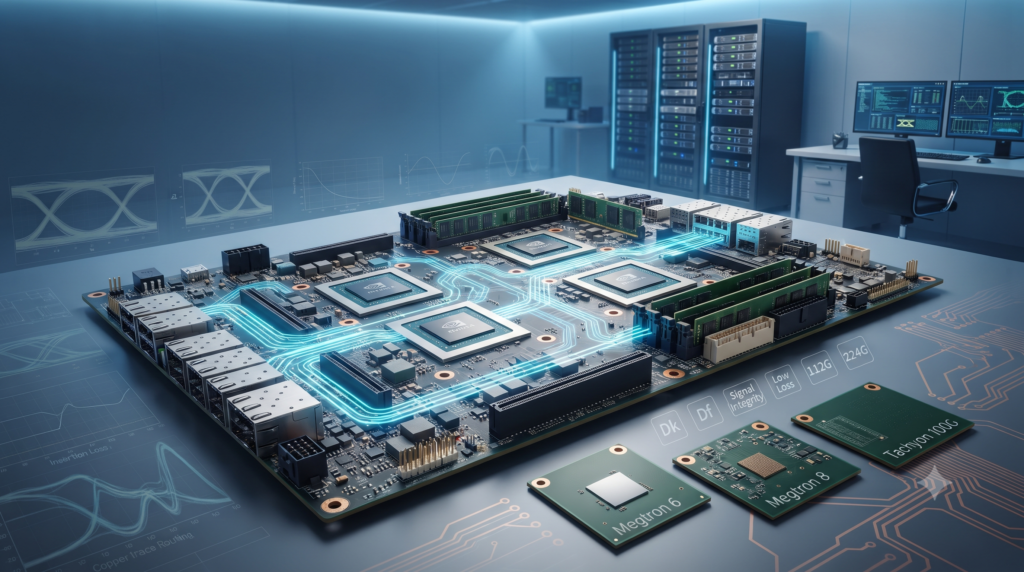
Choosing the Right High-Speed Laminate for AI Hardware: Megtron 6 vs. Megtron 8 vs. Tachyon 100G
-
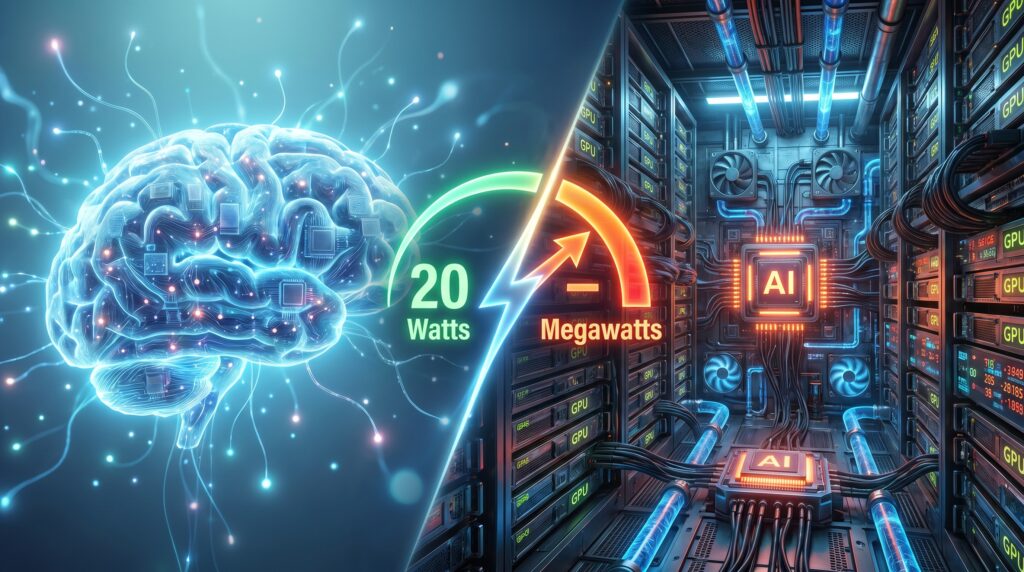
AI Is About to Hit an Energy Wall: How Brain-Inspired Chips Could Help Computing Get Past It
-

Edge AI Chips: The Future of AI Hardware and Why They’re Replacing Cloud-Based Intelligence
-
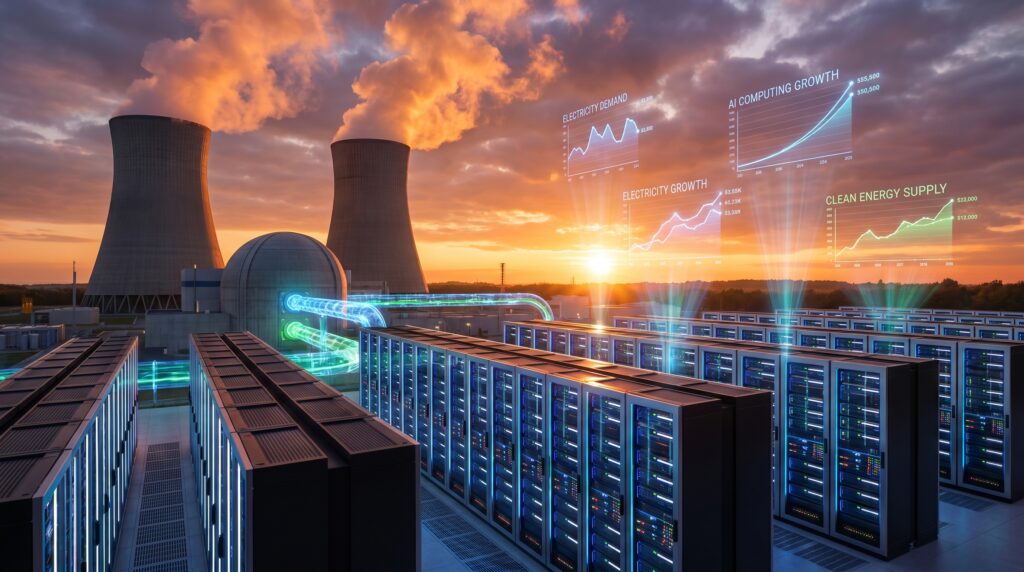
Nuclear Energy’s Comeback: How AI’s Power Hunger Is Rewriting the Energy Playbook
Topics Covered
Explore AI processors, compute accelerators, edge AI hardware, memory architectures, data center infrastructure, power delivery, energy consumption, thermal management, advanced cooling, high-speed interconnects, hardware efficiency, and the physical engineering challenges involved in scaling artificial intelligence.
Why AI Hardware & Data Centers Matter
The rapid growth of artificial intelligence is creating hardware requirements that extend far beyond processor performance. Increasing compute density places enormous demands on memory bandwidth, electrical power, cooling infrastructure, networking, circuit boards, and the physical systems connecting thousands of processors inside modern data centers.
These constraints increasingly determine how quickly AI infrastructure can scale. Better algorithms cannot eliminate limits imposed by power density, thermal management, memory movement, manufacturing capacity, and physical interconnects. Understanding the hardware underneath AI provides a clearer picture of where the industry’s next engineering bottlenecks—and opportunities—are likely to emerge. Your existing neuromorphic article is a good example: it specifically addresses energy growth and the inefficiency created by moving data between compute and memory.
Explore More Engineering Resources
Continue exploring semiconductor engineering, PCB design, embedded systems, automotive electronics, advanced manufacturing, and the other hardware technologies behind modern computing.
Browse all Silicon to Software articles → https://www.silicontosoftware.com/articles/