Semiconductor engineering sits at the foundation of modern computing. As AI workloads grow, electronic systems demand greater performance, memory bandwidth, energy efficiency, and integration density, forcing chip designers and packaging engineers to rethink how processors, memory, interconnects, and substrates work together.
This resource hub examines semiconductor technologies across AI computing, edge processing, advanced packaging, neuromorphic architectures, high-bandwidth memory, heterogeneous integration, and next-generation electronic systems. The articles focus on the physical engineering constraints that determine performance, power consumption, thermal behavior, reliability, and manufacturability.
These resources are written for semiconductor engineers, hardware engineers, packaging engineers, electronics manufacturing professionals, technical leaders, and anyone working with the silicon technologies behind modern electronic systems.
Table of Contents
Semiconductor Engineering Resources
-

Smartphone Camera Hardware Explained: Why Megapixel Count Isn’t the Full Story
-

Rare Earth Magnets Explained: Why the Real Bottleneck Comes After Mining
-
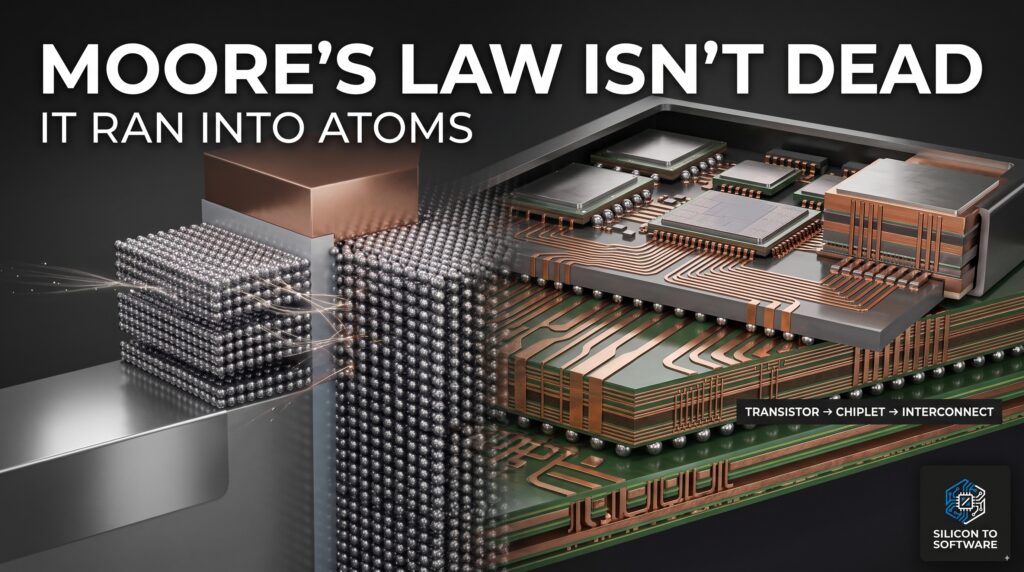
Moore’s Law and Advanced Packaging: Why Chip Scaling Moved From the Transistor to the Interconnect
-

HBM4 Explained: Why Advanced Packaging, Not Bandwidth, Is the Real Constraint on AI Memory
-
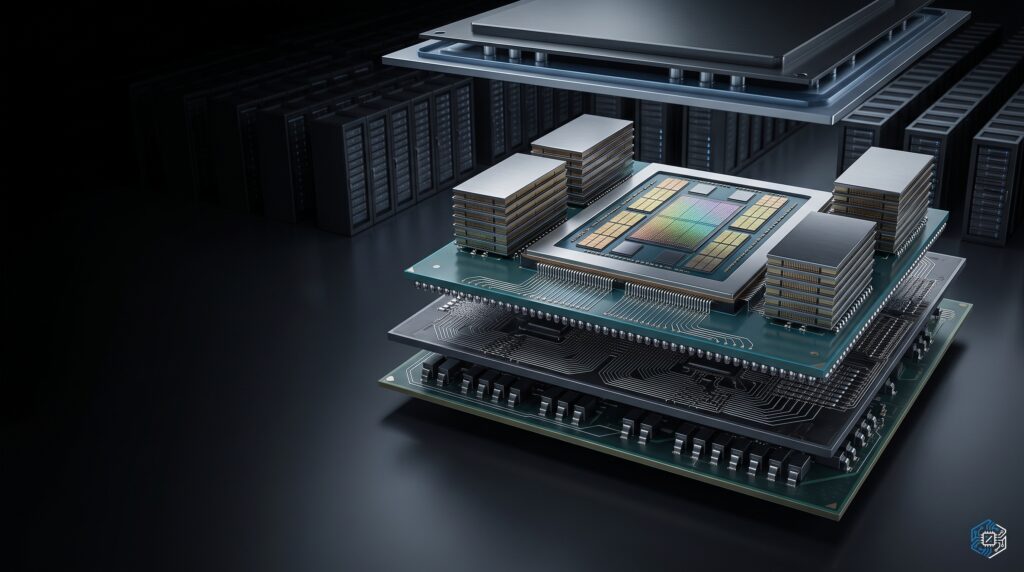
AI Chip Packaging Is the Critical Bottleneck of 2026
-
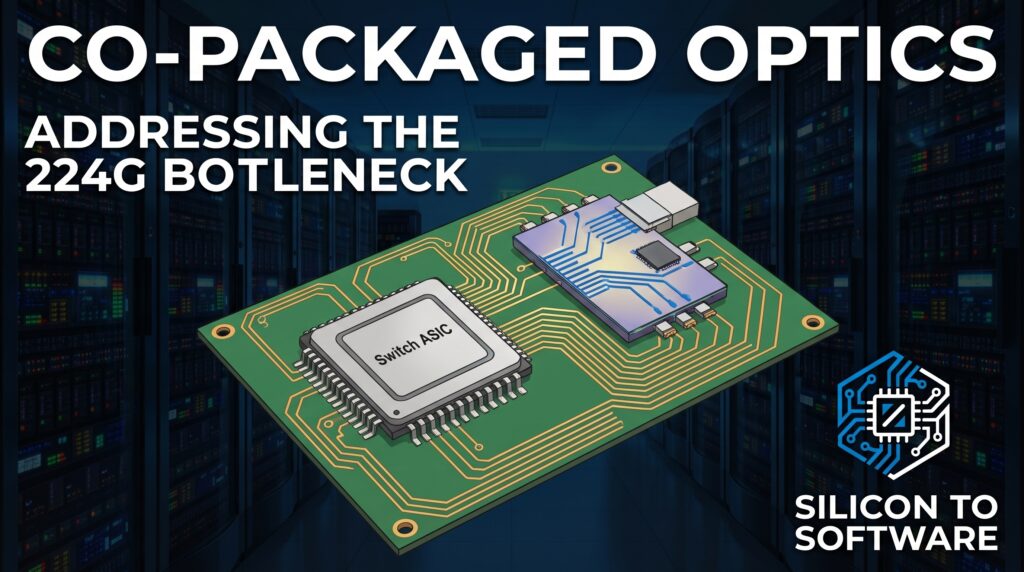
Co-Packaged Optics: Improving the 224G Bottleneck in AI Data Centers
-
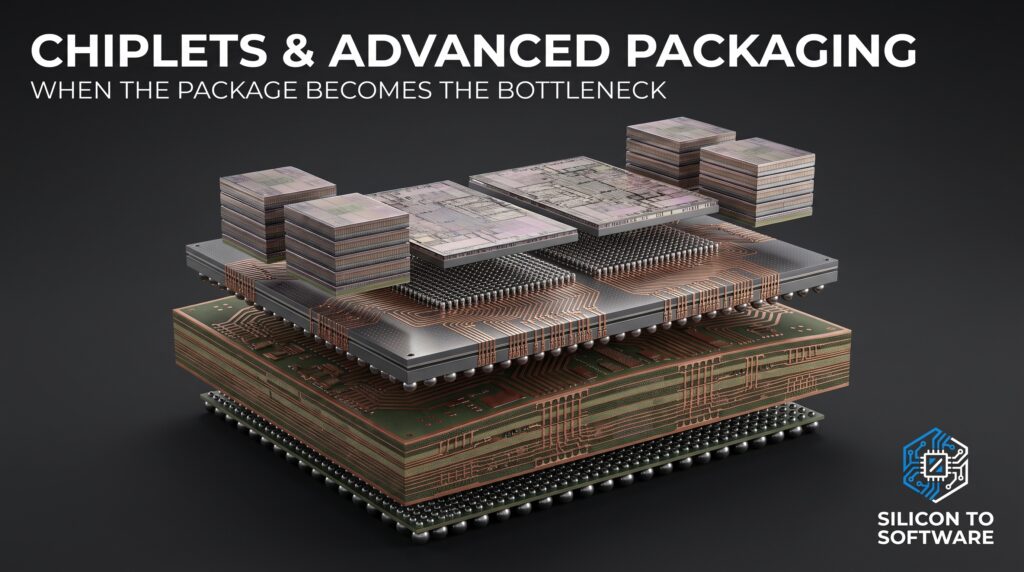
Chiplets and Advanced Packaging: Why Substrate Capacity Is the Real Manufacturing Bottleneck
-
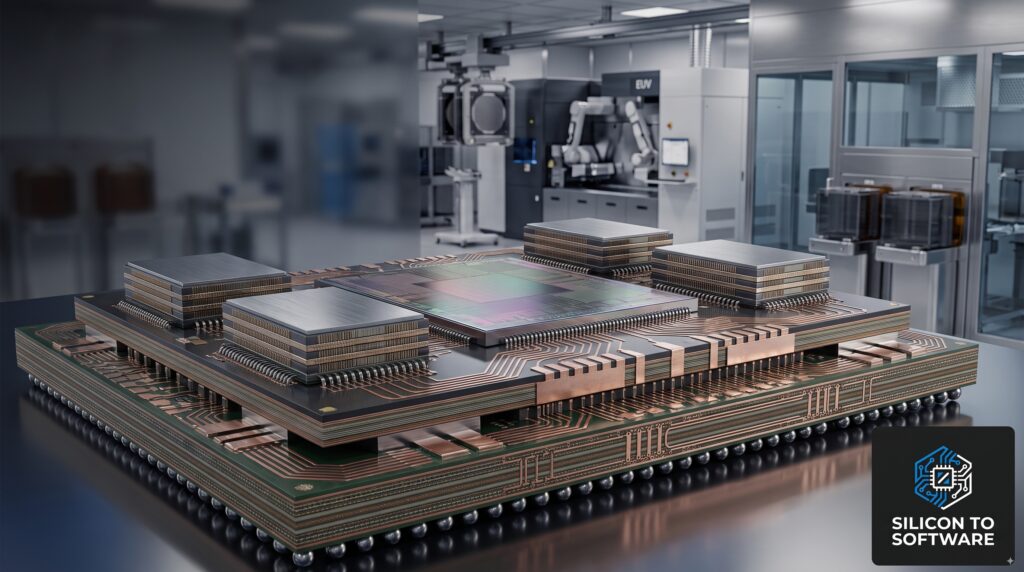
The TSMC Arizona Bottleneck Isn’t the Wafer Fab: A $265B Warning for AI Chips
-

AI Is About to Hit an Energy Wall: How Brain-Inspired Chips Could Help Computing Get Past It
-

Edge AI Chips: The Future of AI Hardware and Why They’re Replacing Cloud-Based Intelligence
Topics Covered
Explore semiconductor architectures, AI accelerators, neuromorphic processors, radiation-hardened electronics, heterogeneous integration, advanced packaging, chiplets, high-bandwidth memory, semiconductor materials, power efficiency, thermal constraints, and the manufacturing challenges behind next-generation silicon.
Why Semiconductor Engineering Matters
Modern system performance is no longer determined by transistor scaling alone. Processor architecture, memory bandwidth, power delivery, thermal density, package design, interconnect performance, and manufacturing yield increasingly determine how much useful computing performance can be delivered from a semiconductor system.
Advanced packaging is becoming part of that engineering equation. As processors, accelerators, memory, and specialized silicon are integrated more tightly, decisions made at the die, package, substrate, and board levels increasingly interact. Understanding those relationships helps engineers identify performance, thermal, reliability, and manufacturing constraints before they become system-level bottlenecks.
Explore More Engineering Resources
Continue exploring the PCB, embedded-system, automotive, manufacturing, and AI hardware technologies behind modern electronic products.
Browse all Silicon to Software articles → https://www.silicontosoftware.com/articles/