Modern vehicles combine computers, communications networks, sensors, batteries, and power electronics in a moving environment. The interesting engineering question is not how many electronic features a vehicle has. It is how those systems behave together when temperatures change, electrical noise increases, components age, or part of the system fails.
This hub connects EV energy systems, vehicle computing, circuit boards, and hardware security. It is written for electronics professionals, product and supply-chain teams, and readers who want a clearer account of what sits behind automotive technology claims. You do not need to design a vehicle to follow the discussion, but it helps to separate convenience features from functions that influence physical safety.
Follow energy from the charger to the wheels
An EV battery stores energy; power electronics control how that energy moves. Charging systems, converters, inverters, protection devices, and thermal controls have different jobs. Improving one component does not guarantee faster charging or longer range across every operating condition.
Battery chemistry involves tradeoffs among energy density, power capability, temperature behavior, aging, material availability, and production economics. A laboratory result is not the same as a qualified automotive pack. Cell results need to be interpreted alongside pack structure, cooling, controls, and the conditions under which the result was obtained.
Vehicle computing must understand its surroundings
Driver-assistance and automated-driving systems turn sensor signals into decisions. Cameras, radar, and other sensors have different strengths and failure modes. Their data must be processed, checked, and combined within timing and power budgets. More sensor data can increase computing and communication demands without automatically resolving uncertainty.
Distinguish sensing capability from a complete driving function. Weather, road geometry, blocked sensors, calibration, and unusual situations all matter. A vehicle demonstration in one setting does not establish performance across every road or operating condition.
Boards and connections live a demanding life
Vehicle electronics face vibration, thermal cycling, moisture exposure, and electrically noisy environments. Layout, material selection, grounding, connectors, sealing, and assembly quality all contribute to reliability. A board that passes a functional test when new may still have weaknesses that appear after repeated temperature changes or mechanical stress.
Design discussions should connect the intended mounting location to component and manufacturing choices. Electronics near a hot power stage face different conditions from a protected cabin module. Reliability is a system property, not a label that can be attached to a single material.
Treat cybersecurity as an engineering boundary
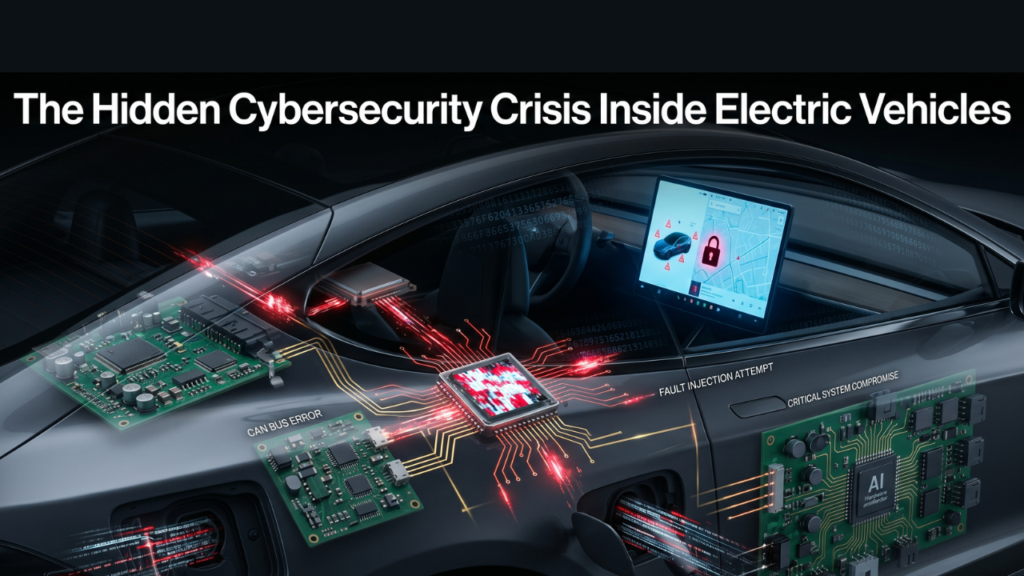
Connectivity and software updates extend a vehicle’s useful capabilities, but also create interfaces that need protection. A practical security model asks what can communicate with what, which identities are trusted, how software is authenticated, and what happens when a component is compromised.
Security and safety are related without being identical. A security weakness does not by itself prove an immediate safety consequence; that consequence depends on the access gained and the system architecture. Equally, a vehicle can have a safety fault without an attacker. Clear explanations keep those paths separate and examine where they interact.
Start here: a curated reading path
- Start with the vehicle electronics overview — Use the broader vehicle discussion to connect sensing, compute, circuit boards, and the physical demands placed on automotive systems.
- Compare battery chemistry tradeoffs — Read for the relationship between material choices and application requirements, rather than looking for a chemistry that wins every comparison.
- Explore power semiconductor choices — Focus on where switching devices fit within the charging system and what other conditions limit delivered charging performance.
- Examine the hardware security boundary — Consider how interfaces, processors, and trust assumptions affect connected vehicle security beyond the application software.
- Put security demonstrations in context — Use the security example to ask what access an attack requires, what it achieves, and which architectural defenses could contain it.
Put the ideas to work
When reading an automotive announcement, write down the claimed improvement and the conditions attached to it. Then ask which other subsystem must change to realize that benefit: cooling, charging infrastructure, sensing, software, packaging, or manufacturing.
Frequently asked questions
Will one battery chemistry replace all others?
Different vehicles prioritize different combinations of cost, range, charging, temperature performance, and durability. A useful comparison states the application first.
Does more computing power make autonomous driving safe?
Compute supports perception and planning, but validation, sensor behavior, fallback strategies, and operating limits remain essential.
Is this a vehicle repair or modification guide?
No. These articles explain engineering concepts. High-voltage systems and safety-related vehicle work require appropriate qualifications and manufacturer procedures.
Table of Contents
Automotive Electronics Resources
-
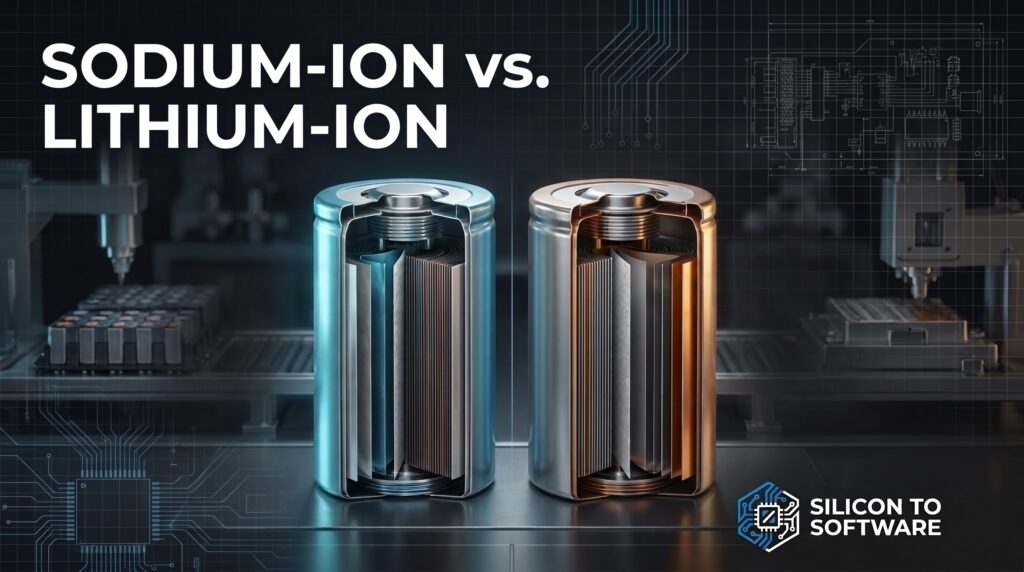
Sodium-Ion vs. Lithium-Ion Batteries: Can Sodium Really Replace Lithium in EVs?
-
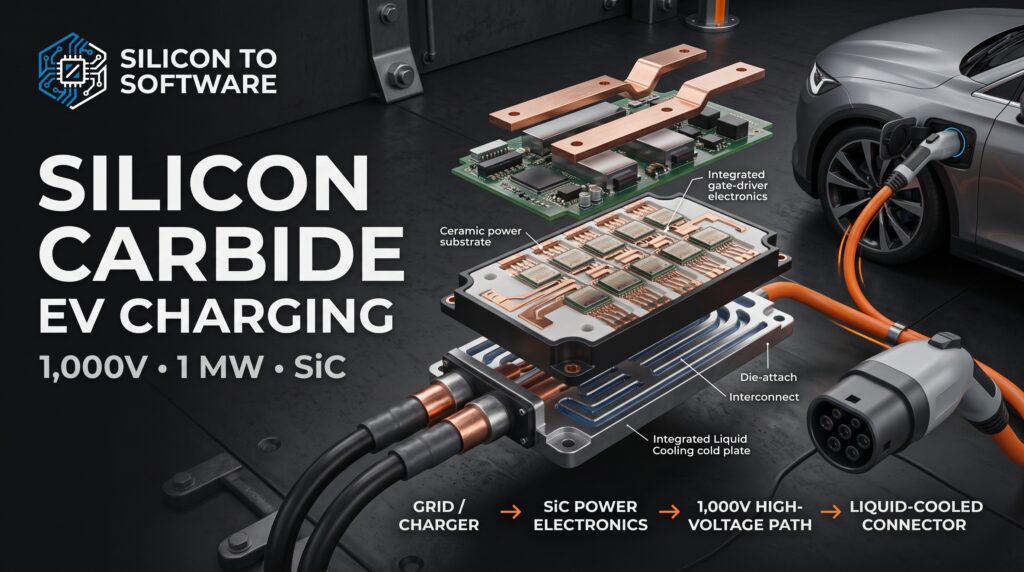
Silicon Carbide EV Charging Explained: The Power Semiconductor Behind 5-Minute Fast Charging
-
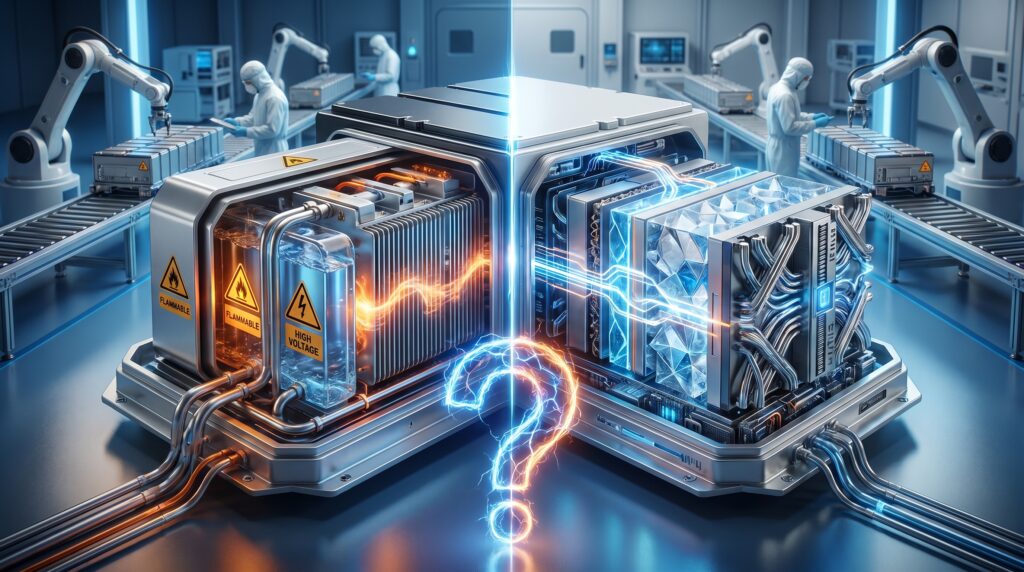
Solid-State Batteries Explained: Why the Technology That Could Transform EVs Still Isn’t Ready
-
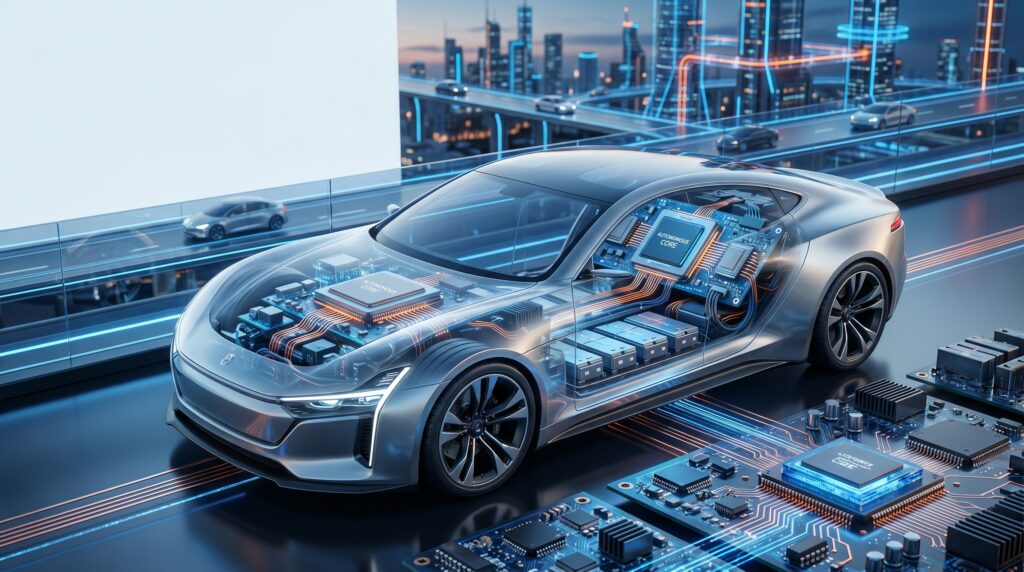
How AI Is Transforming Modern Cars: Autonomous Driving, EV Technology, and the PCB Engineering Powering It All
-

Self-Driving Cars Have a Hardware Security Problem Nobody Wants to Talk About
-
Tesla Gets Hacked Every Year at Pwn2Own. The Reason Every EV Owner Should Worry.