PCB design connects electrical performance with physical manufacturing. As operating frequencies rise and electronic systems become smaller and more powerful, designers must account for signal loss, impedance control, material behavior, thermal constraints, reliability, and fabrication capability from the beginning of development.
This resource hub examines PCB engineering across demanding applications including AI hardware, satellites, automotive electronics, medical devices, and next-generation wireless infrastructure. The articles focus on the engineering decisions that determine whether a circuit board performs reliably, survives its operating environment, and can be manufactured consistently.
These resources are written for PCB designers, hardware engineers, manufacturing engineers, reliability professionals, and technical leaders working on complex electronic systems.
Table of Contents
PCB Design Resources
-
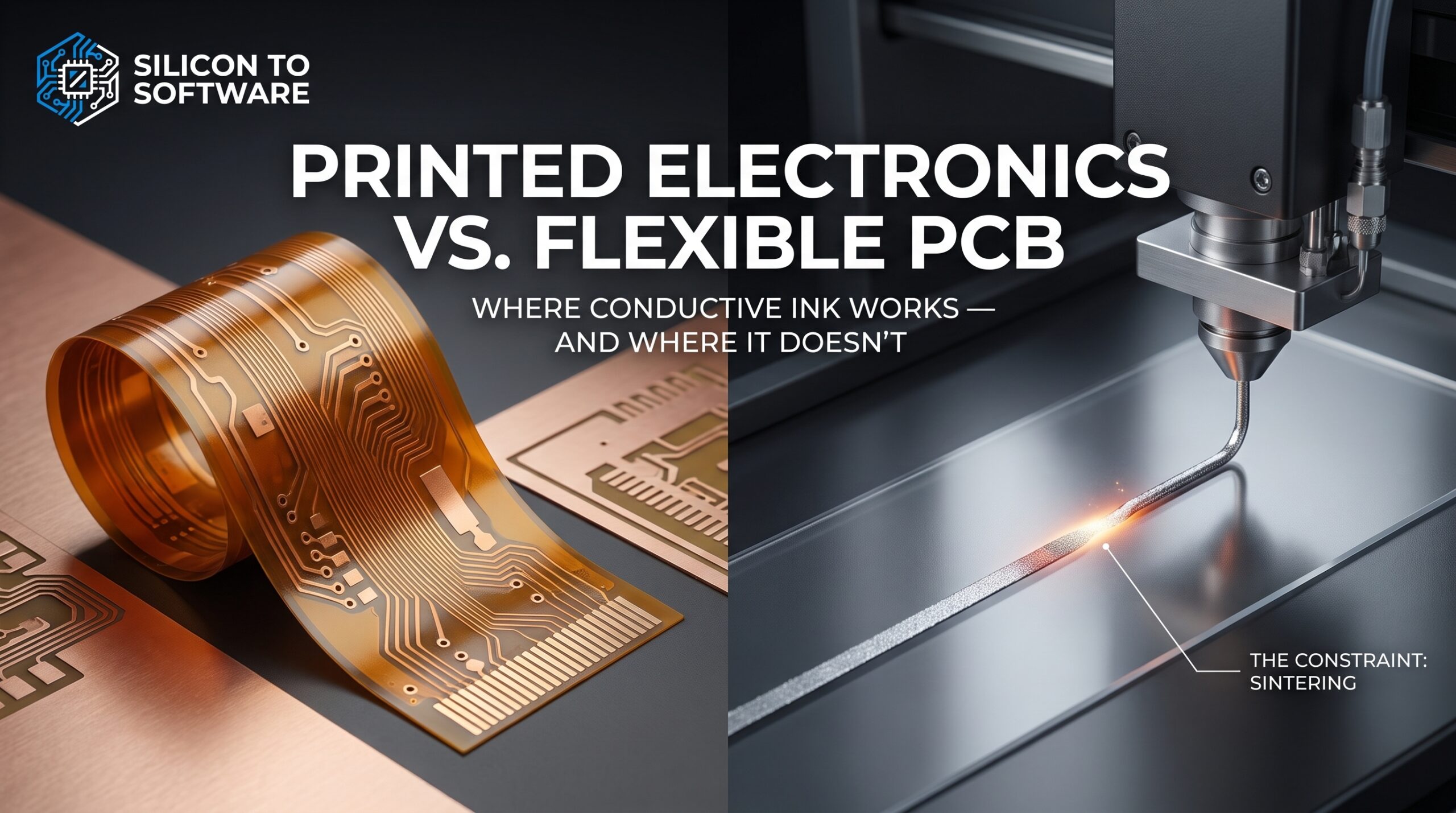
Printed Electronics vs. Flexible PCB: What Conductive Ink Can and Can’t Replace
-
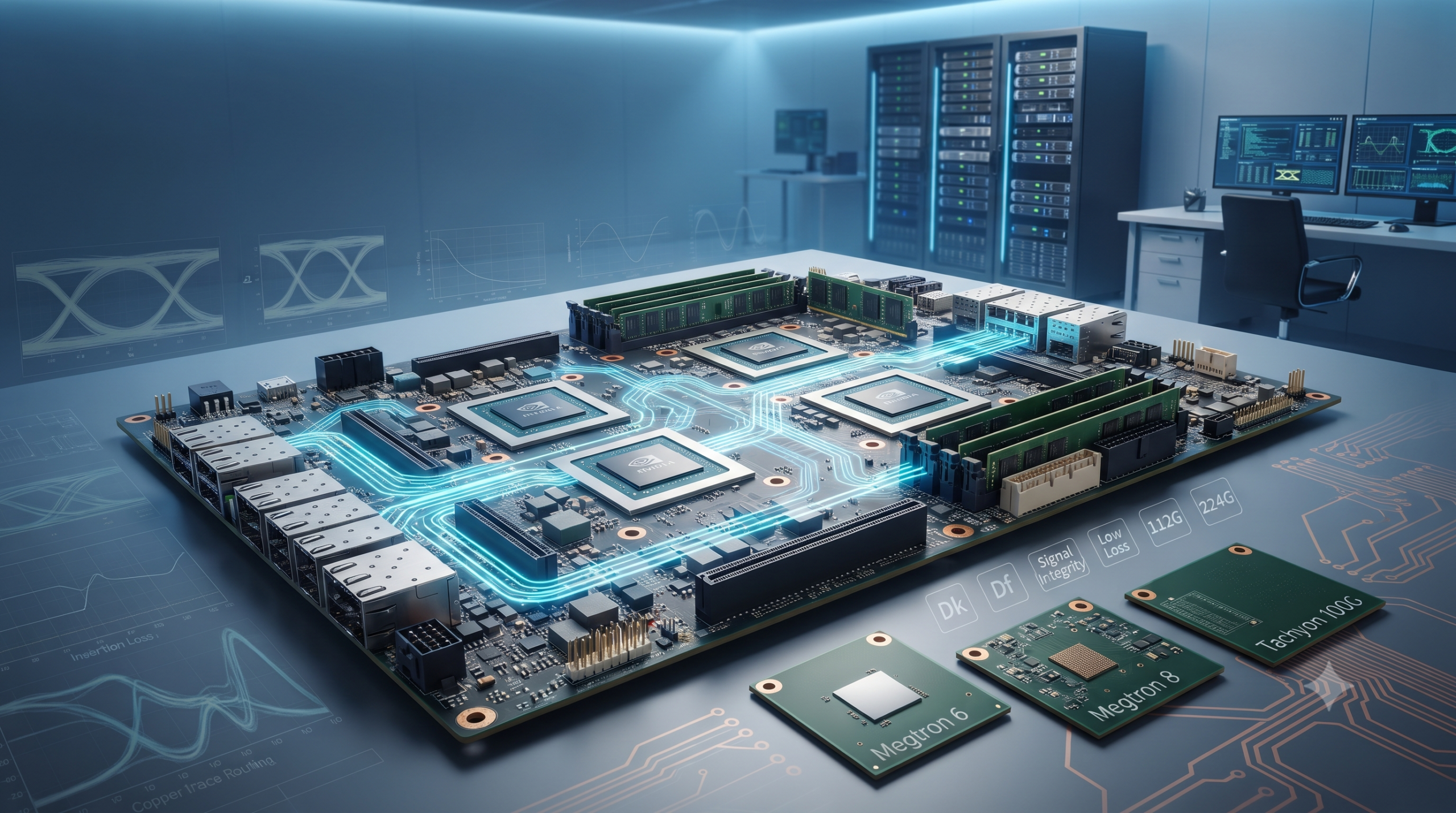
Choosing the Right High-Speed Laminate for AI Hardware: Megtron 6 vs. Megtron 8 vs. Tachyon 100G
-
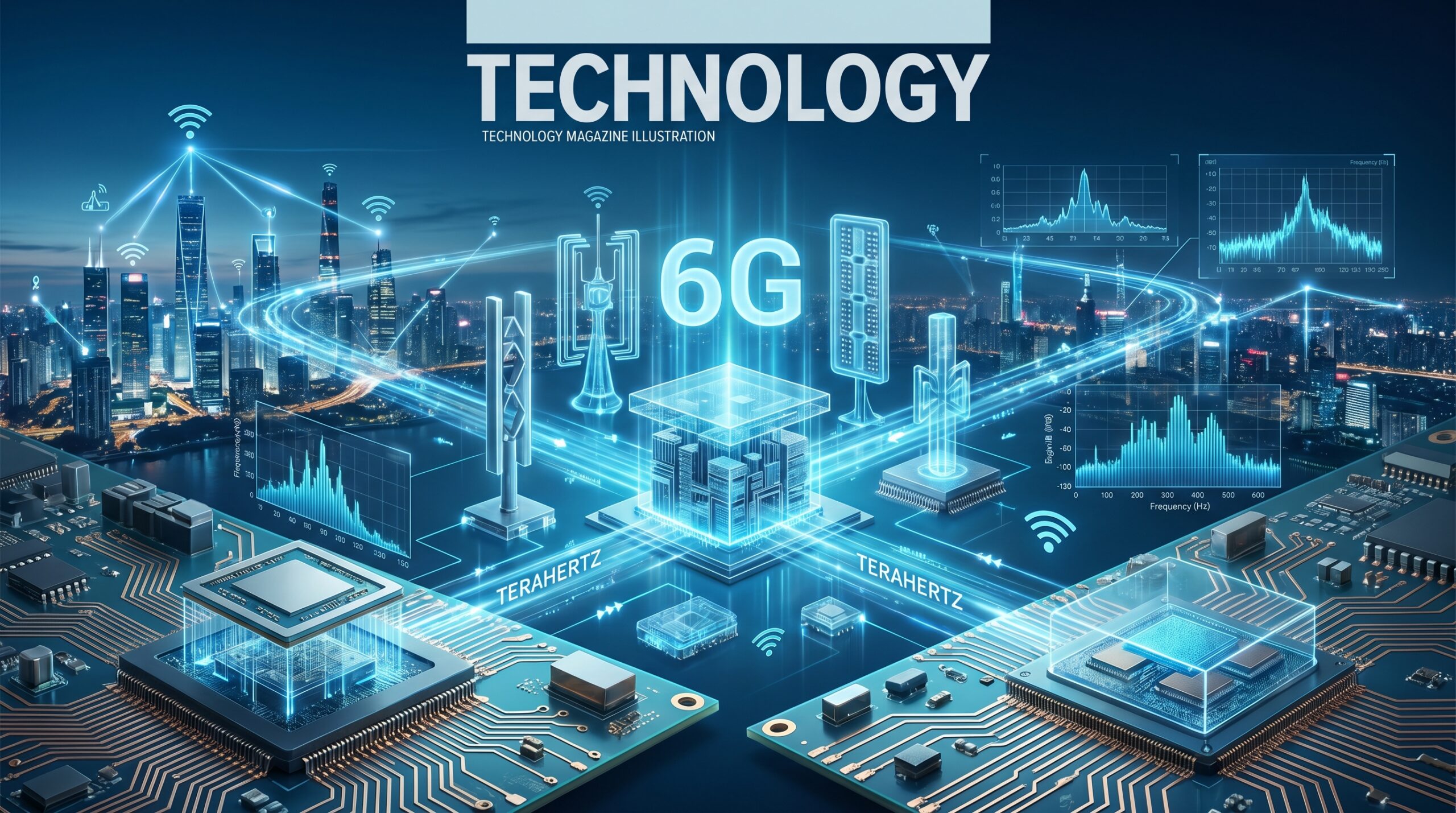
6G Technology Hardware: Why the Infrastructure to Build It Doesn’t Exist Yet
-
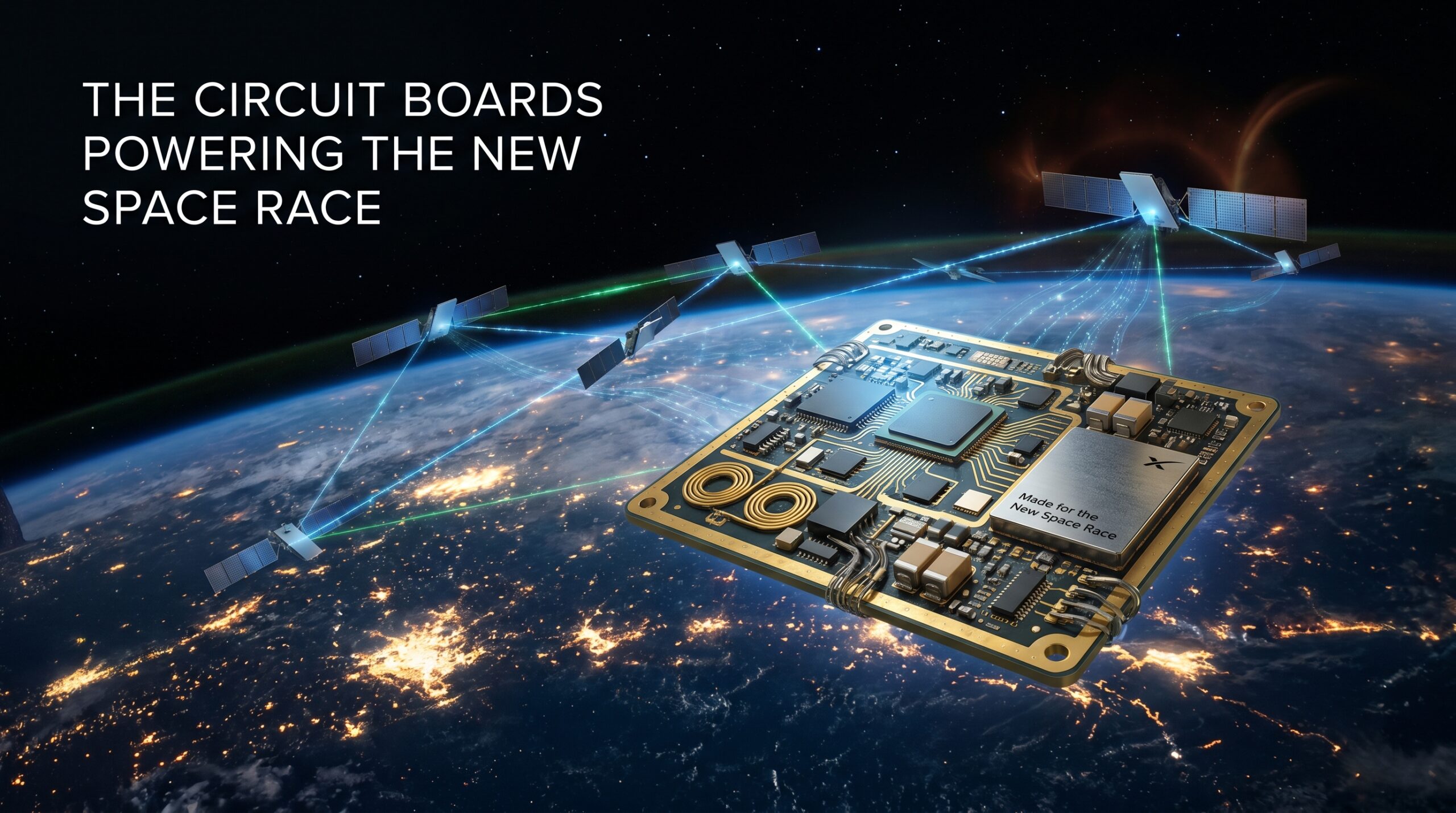
Satellite PCB Engineering in 2026: How AI, Radiation-Hardened Electronics, and Advanced Circuit Boards Keep Satellites Alive
Topics Covered
Explore high-speed laminate selection, dielectric loss, signal integrity, radiation-tolerant electronics, automotive PCB engineering, implantable medical electronics, sub-terahertz circuit boards, material limitations, manufacturing tolerances, and reliability requirements.
Why PCB Engineering Matters
A circuit board is more than a platform connecting components. Its materials, stackup, routing, fabrication tolerances, thermal behavior, and operating environment directly affect system performance and long-term reliability. Understanding these interactions helps engineers identify risks before they become laboratory failures, manufacturing problems, or field returns.
Explore More Engineering Resources
Continue exploring the hardware, semiconductor, manufacturing, and embedded-system technologies behind modern electronic products.
Browse all Silicon to Software articles → https://www.silicontosoftware.com/articles/