PCB manufacturing is the physical foundation behind nearly every modern electronic system. From high-speed computing and autonomous vehicles to medical devices and aerospace hardware, the performance and reliability of an electronic product ultimately depend on whether its circuit boards can be manufactured consistently, assembled correctly, and produced at acceptable yield.
This resource hub explores PCB fabrication, electronics manufacturing, design for manufacturability, materials, process capability, production yield, assembly considerations, component supply chains, and the engineering decisions that determine whether a design can successfully move from CAD to volume production.
These resources are written for PCB engineers, hardware engineers, manufacturing engineers, electronics professionals, supply-chain teams, technical leaders, and anyone interested in understanding how modern electronic hardware is actually built.
Table of Contents
PCB Manufacturing Resources
-
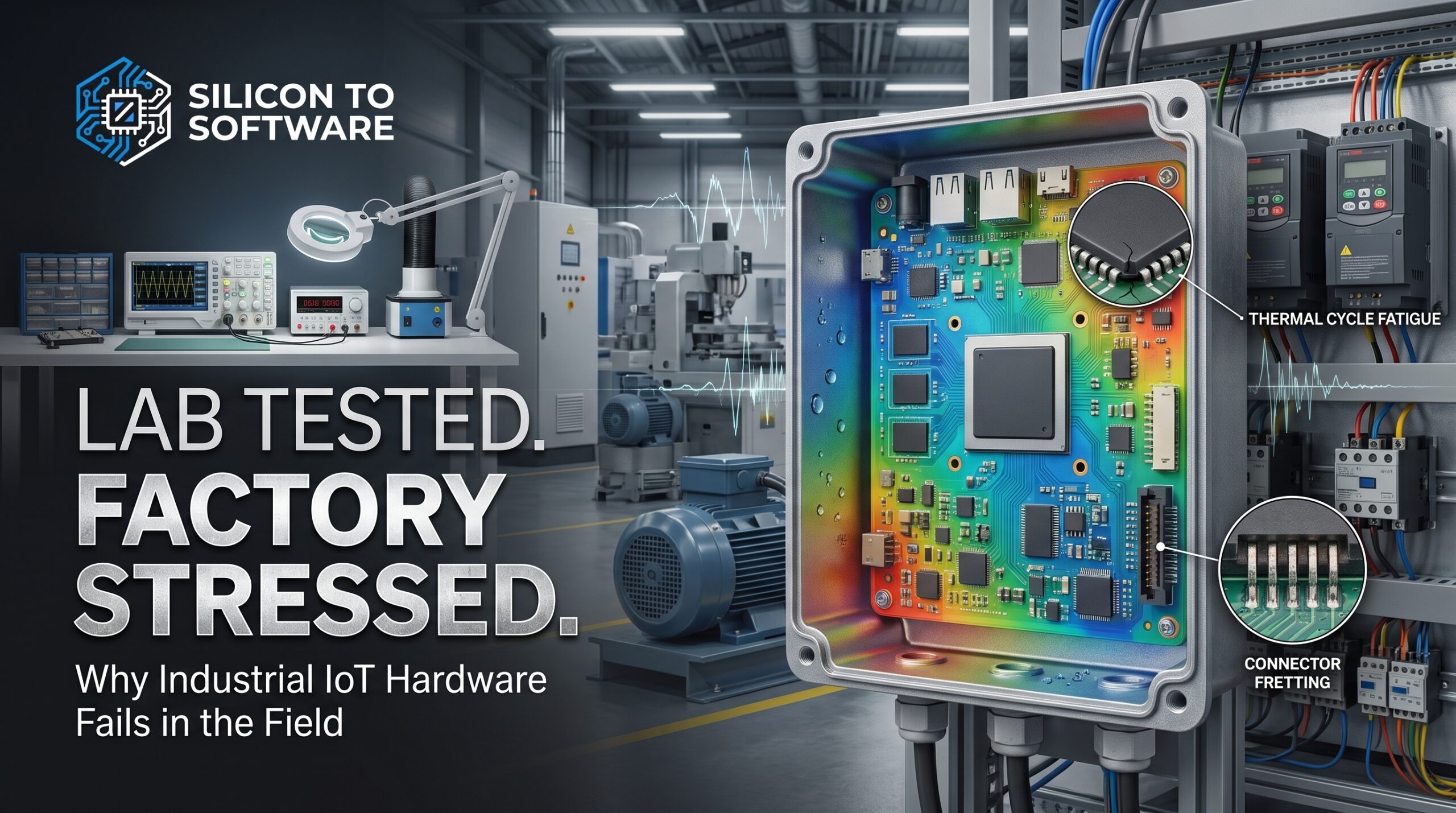
Industrial IoT Hardware Reliability: Why Boards That Pass Lab Testing Still Fail on the Factory Floor
-
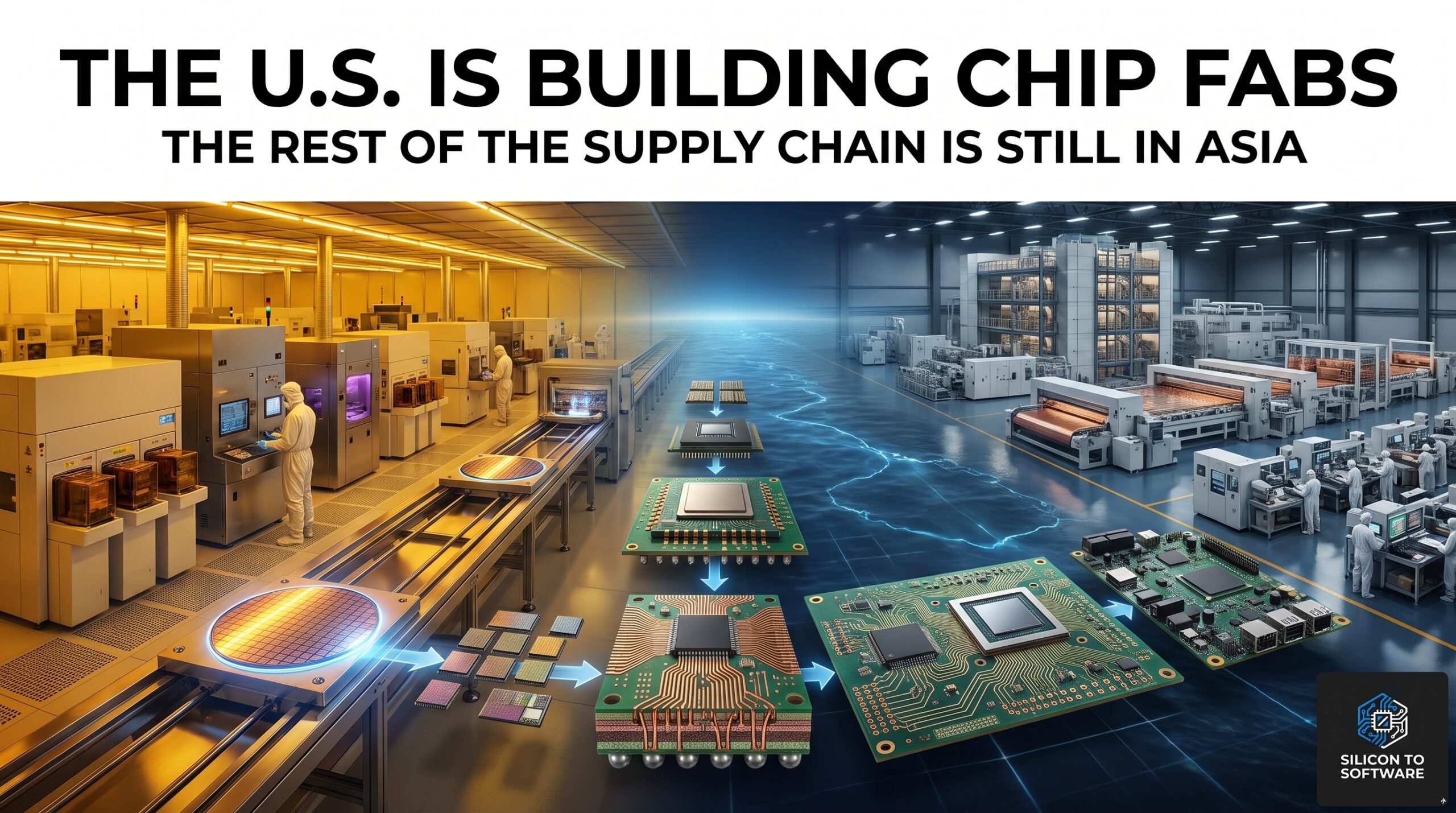
Why US Chip Fabs Alone Won’t Fix the Electronics Supply Chain
-
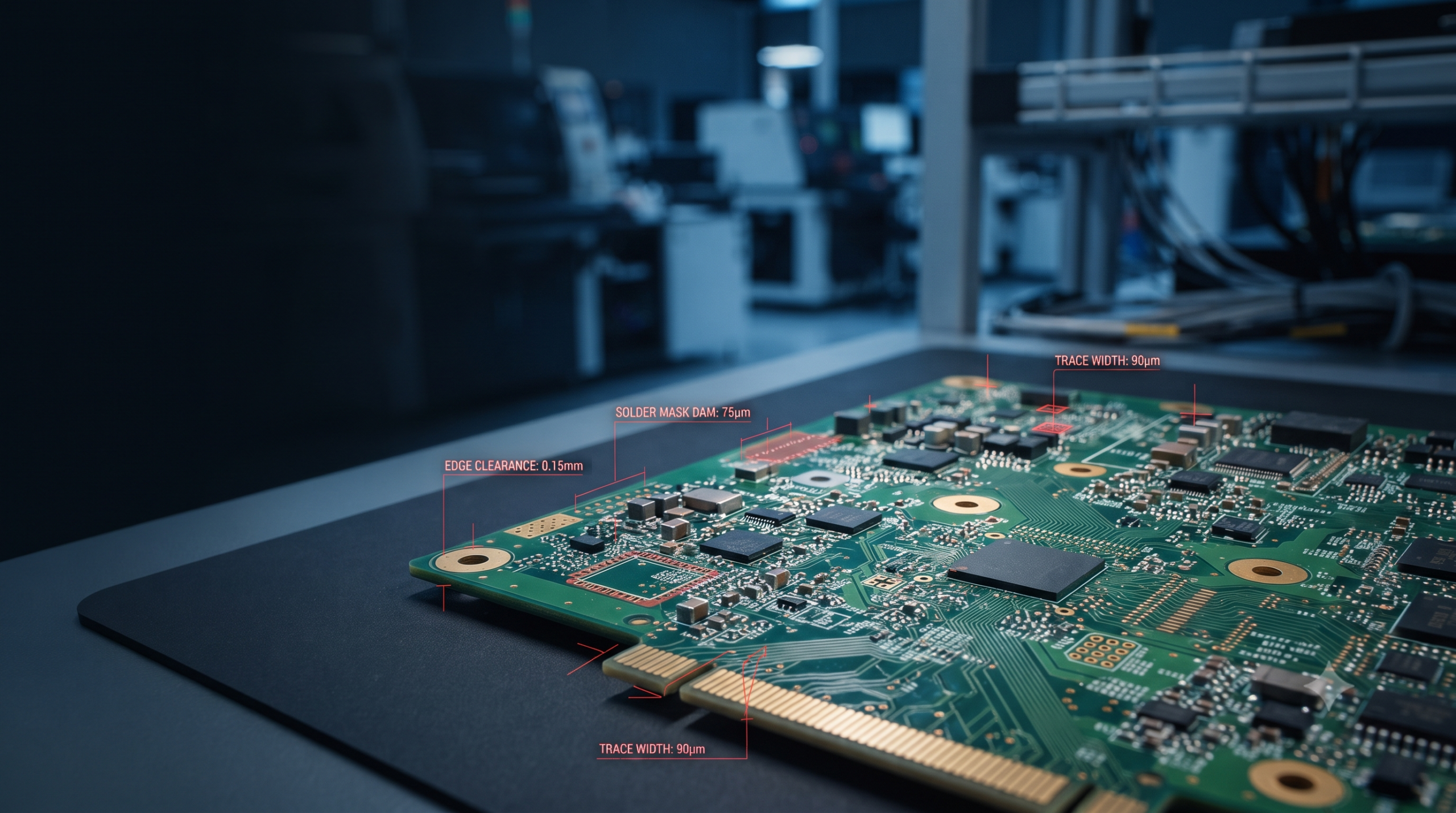
5 Common PCB DFM Mistakes That Can Reduce Fabrication and Assembly Yield
-
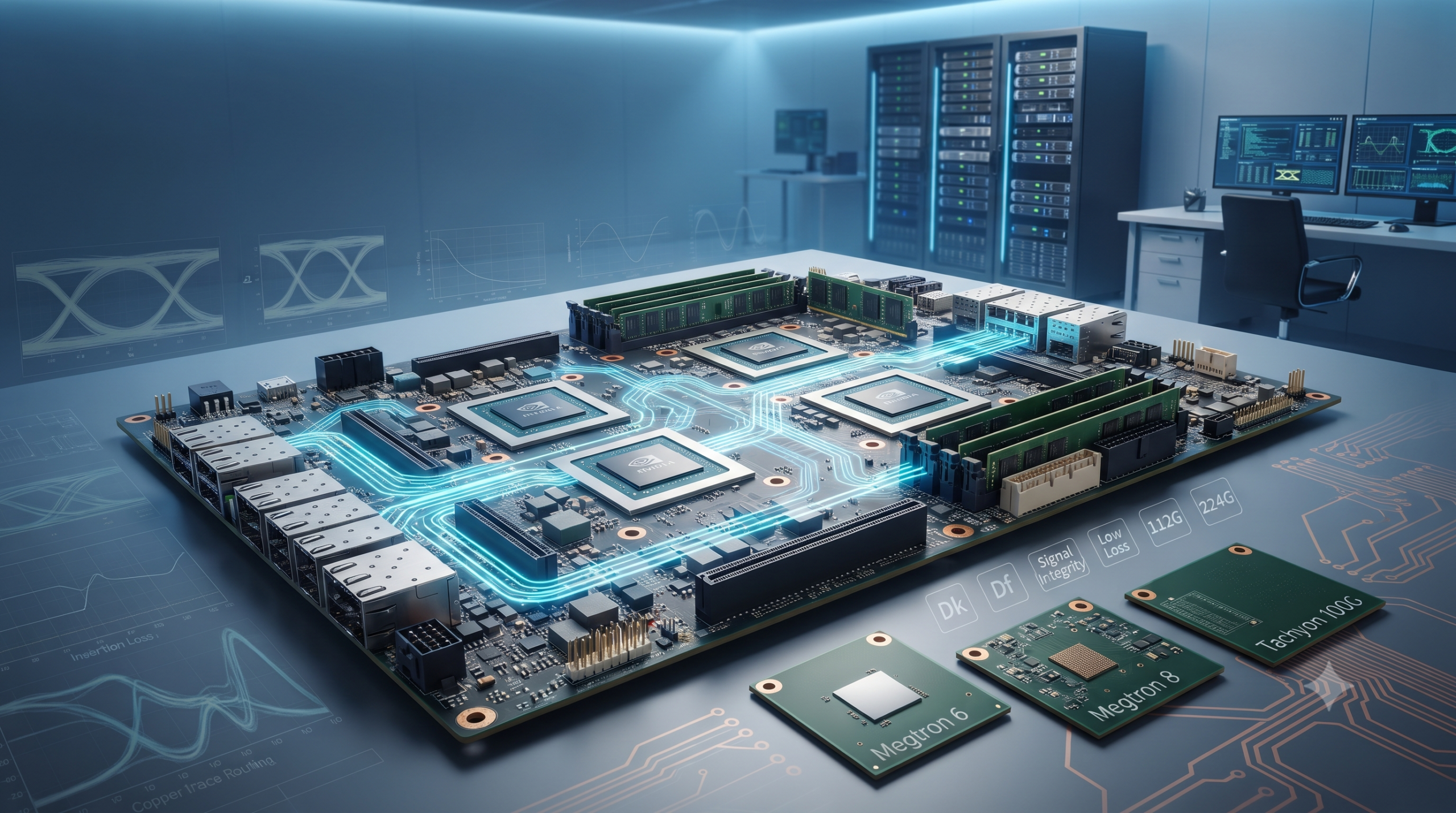
Choosing the Right High-Speed Laminate for AI Hardware: Megtron 6 vs. Megtron 8 vs. Tachyon 100G
Topics Covered
Explore PCB fabrication, electronics manufacturing, design for manufacturability, fabrication yield, assembly yield, manufacturing tolerances, materials, trace and spacing capability, annular rings, solder mask, panelization, process control, component supply chains, reliability, and the production challenges involved in turning electronic designs into manufacturable hardware.
Why PCB Manufacturing Matters
A PCB design can perform perfectly in simulation and still fail in production if manufacturing constraints are considered too late. Copper geometry, drill registration, material selection, solder mask, panelization, fabrication tolerances, assembly requirements, and process capability all influence whether a board can be produced reliably and economically.
Manufacturability becomes even more important as electronic systems move toward finer geometries, higher layer counts, greater interconnect density, tighter impedance requirements, and more demanding reliability standards. Understanding how design decisions interact with fabrication and assembly processes helps engineering teams reduce yield loss, avoid unnecessary redesign cycles, control production costs, and move hardware from prototype to volume manufacturing more reliably.
Explore More Engineering Resources
Continue exploring PCB design, semiconductor engineering, embedded systems, automotive electronics, AI hardware, and the other technologies behind modern electronic products.
Browse all Silicon to Software articles → https://www.silicontosoftware.com/articles/